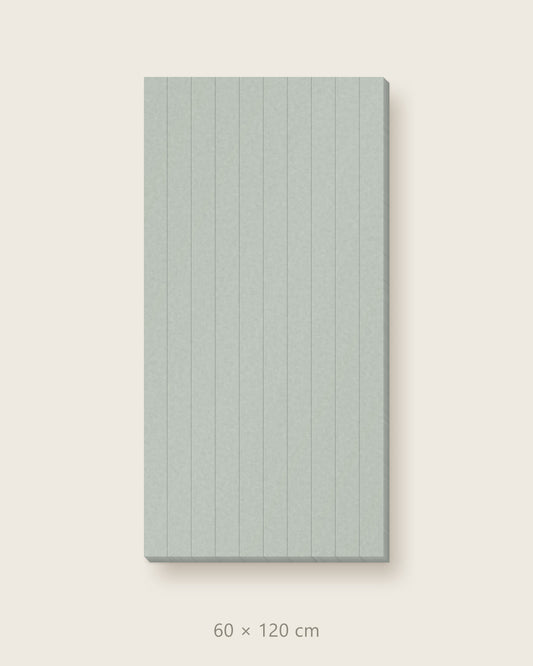
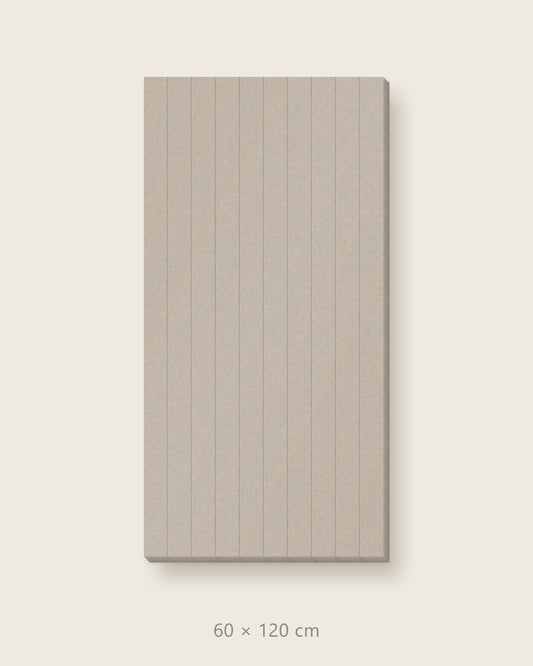
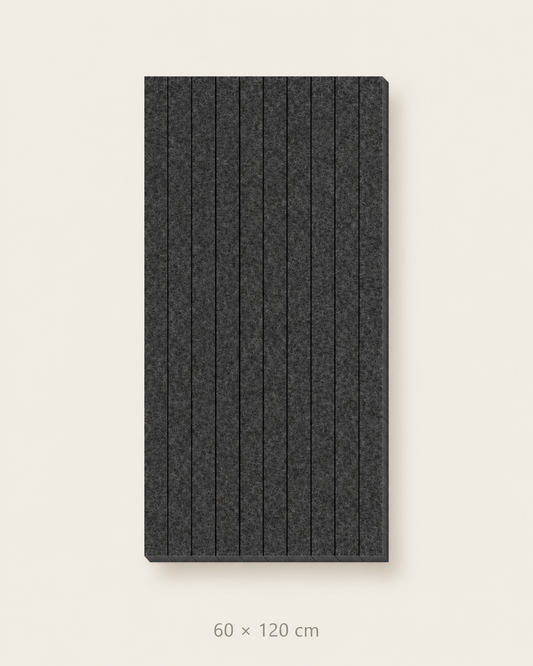
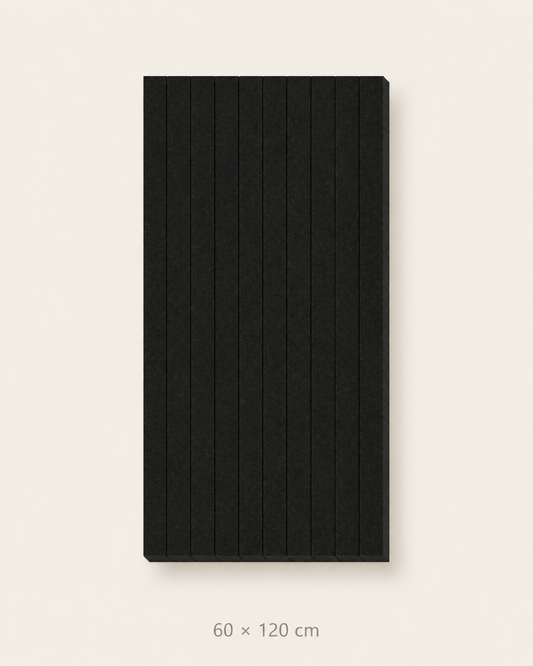
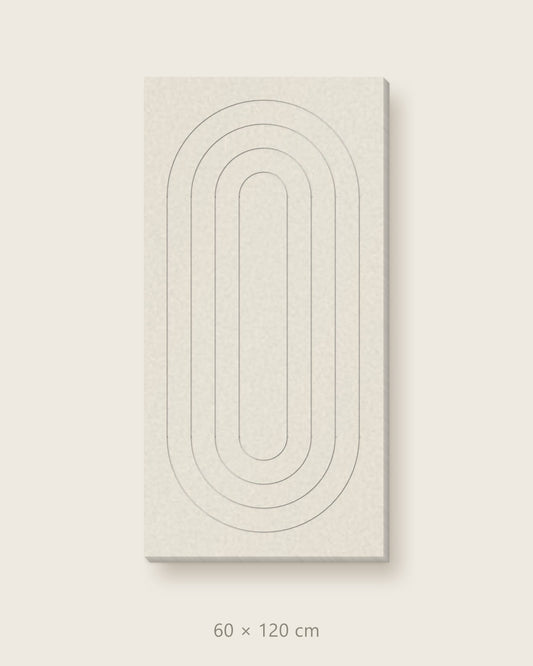
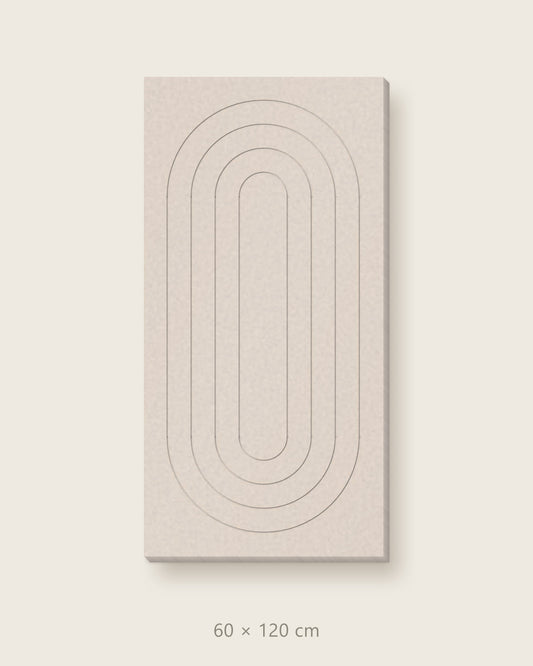
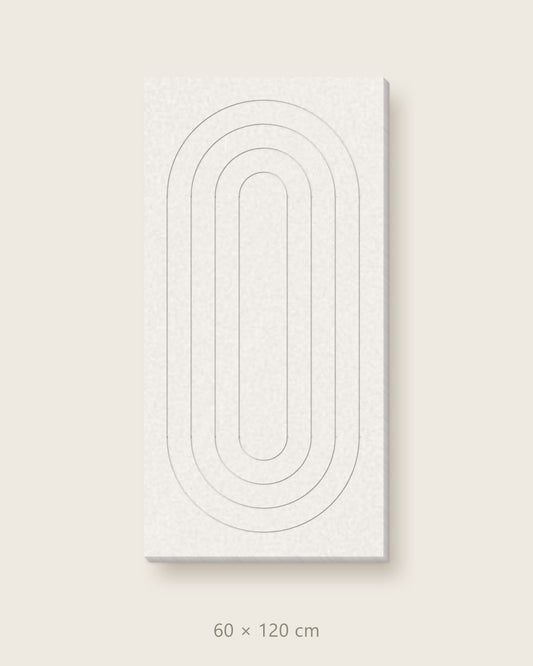
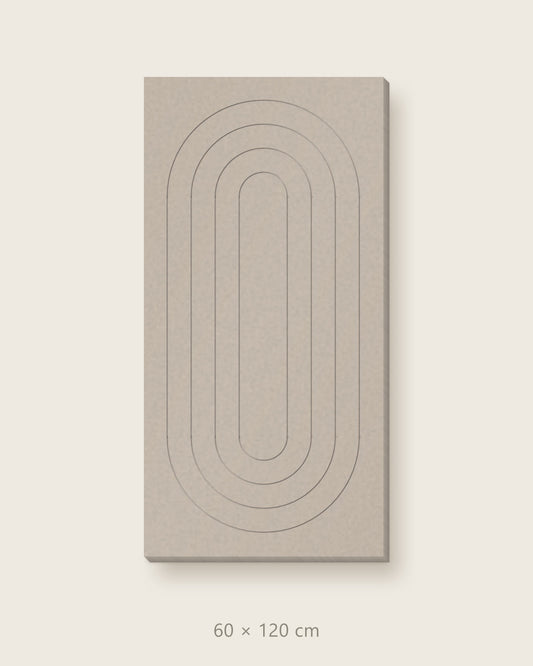
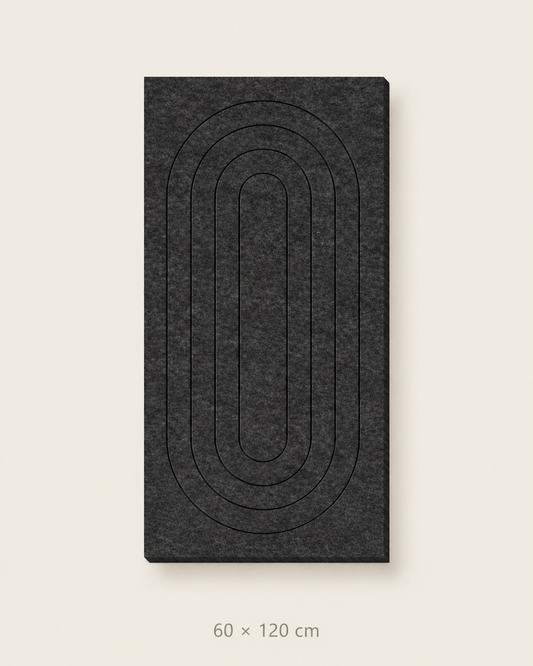
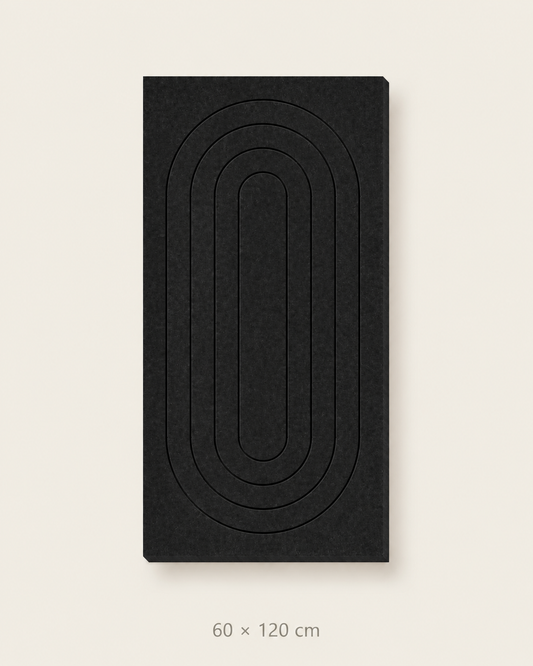
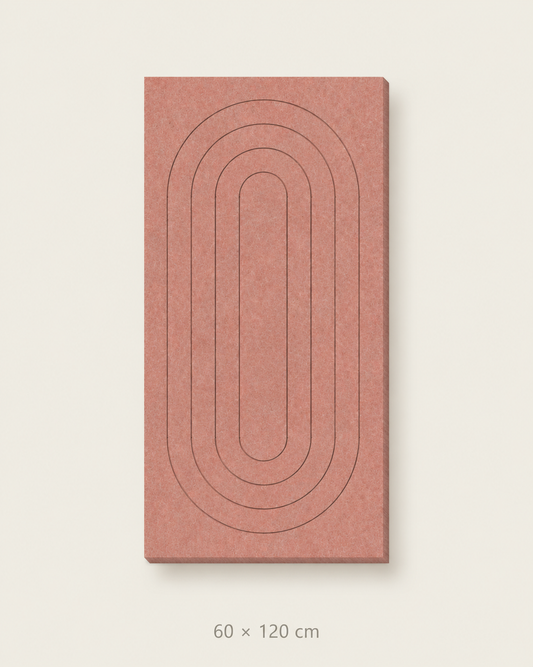
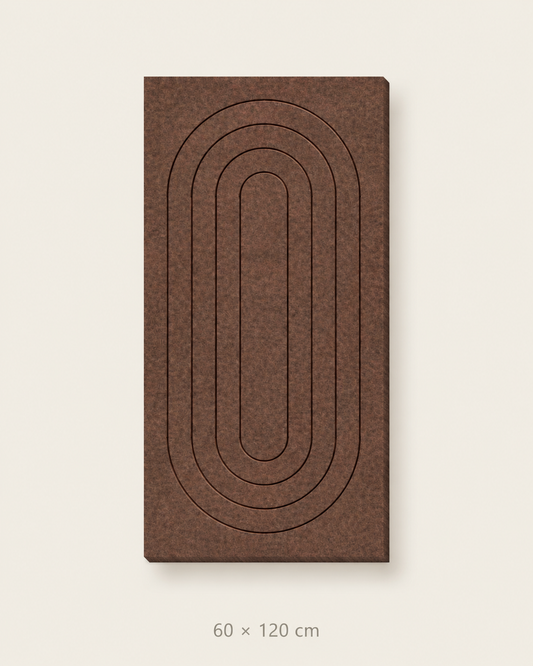
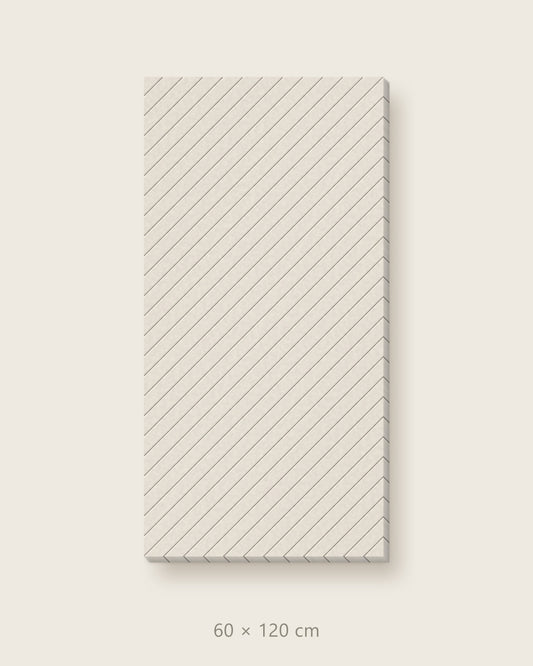
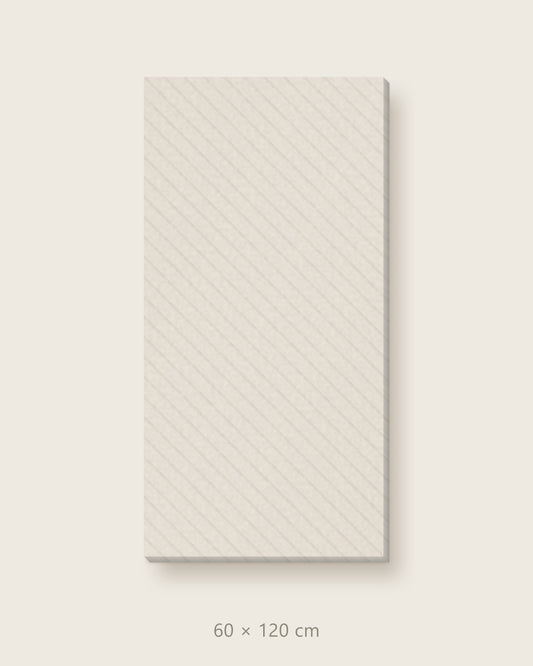
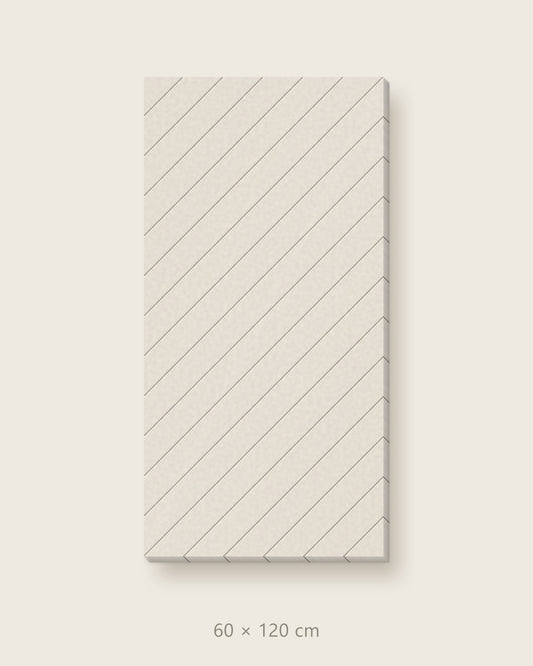
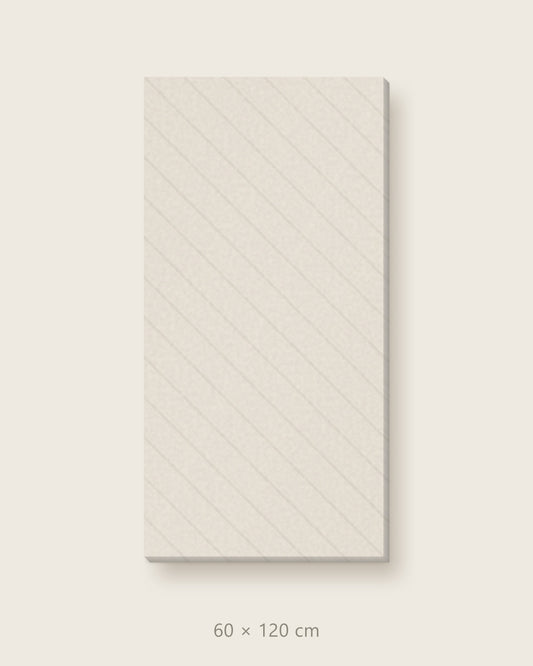
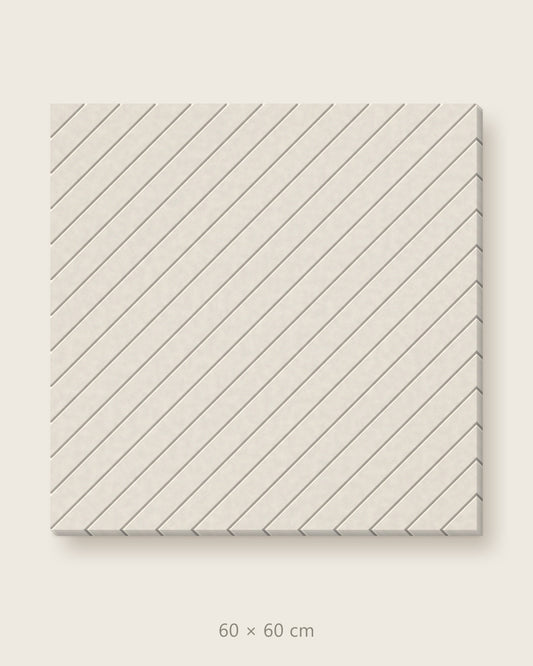
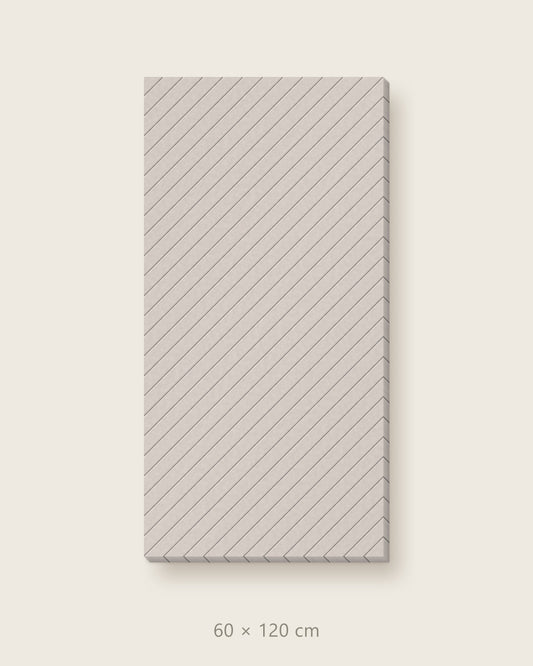
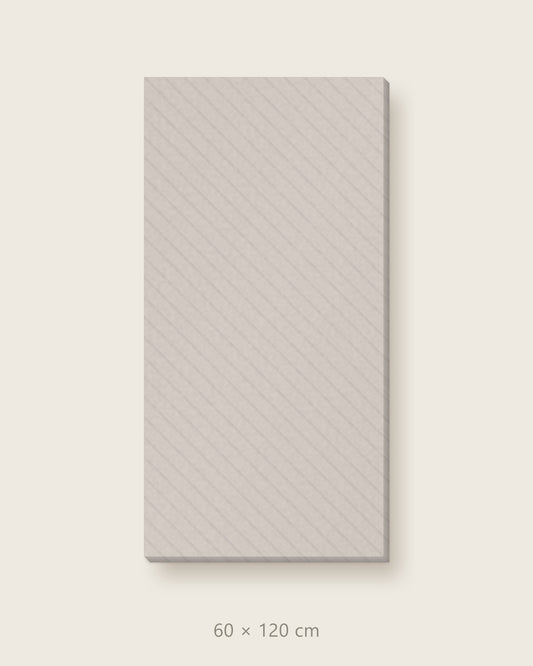
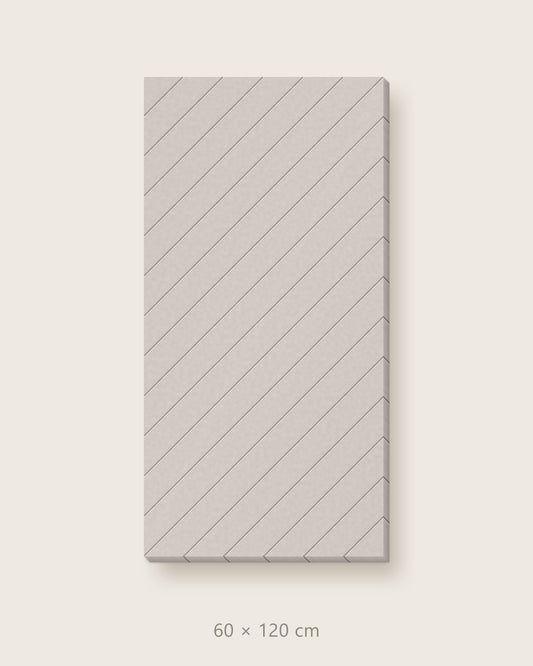
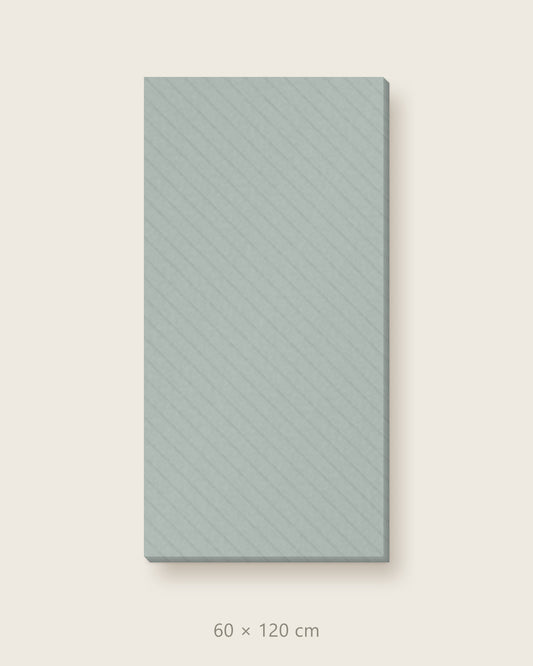
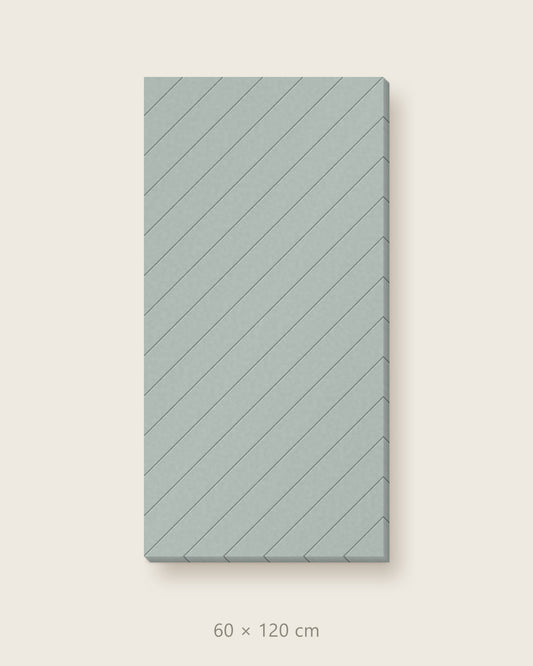
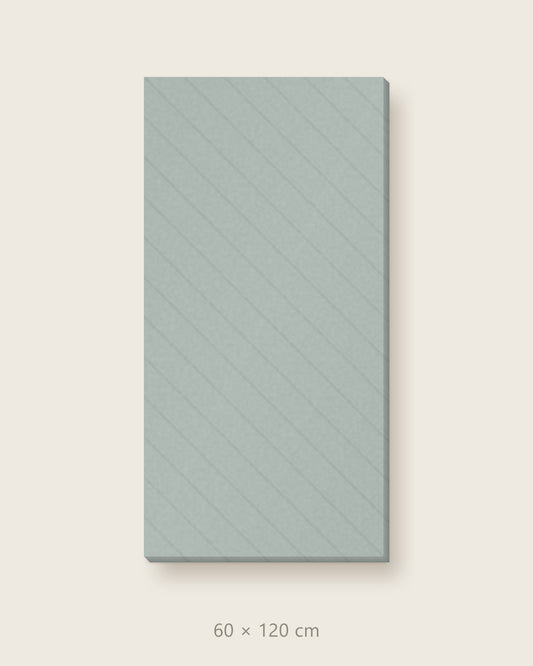
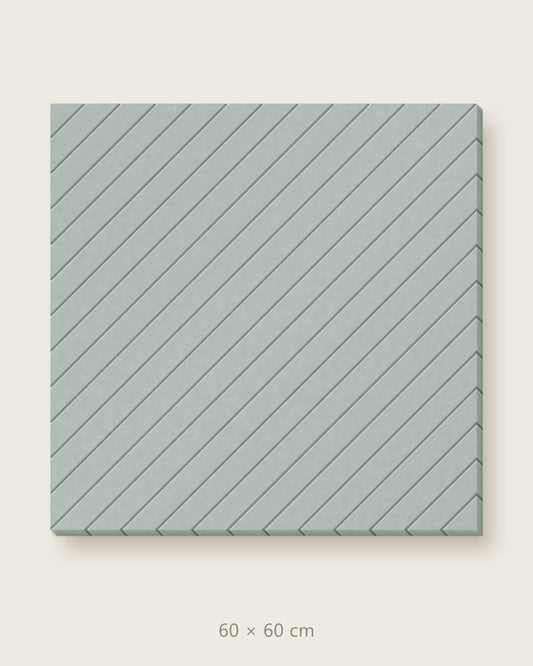
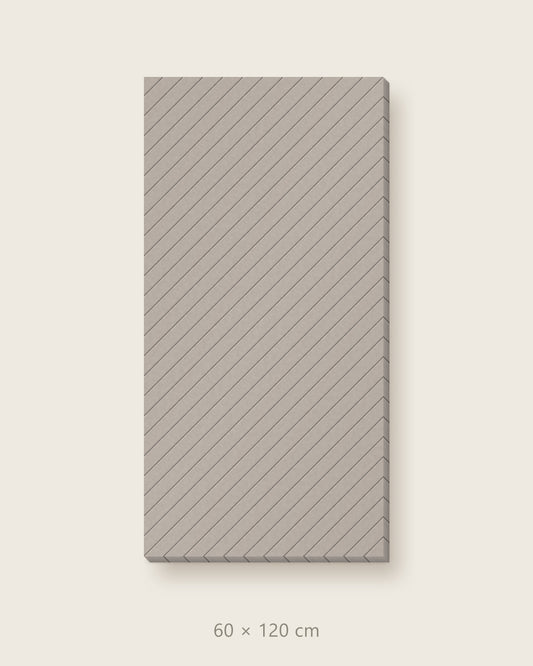
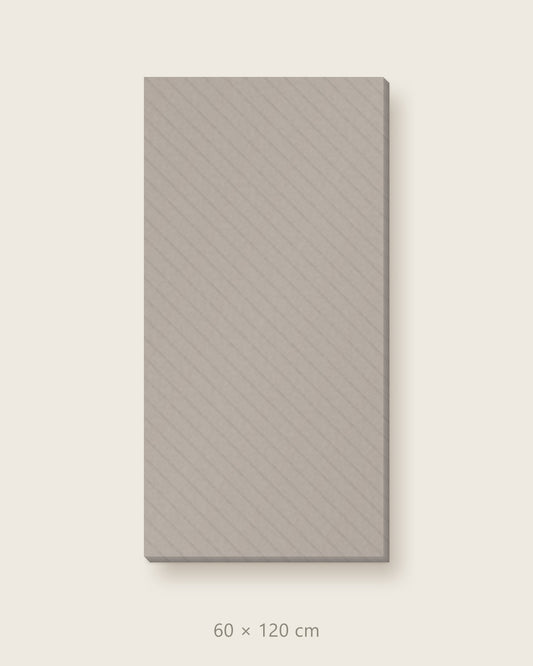
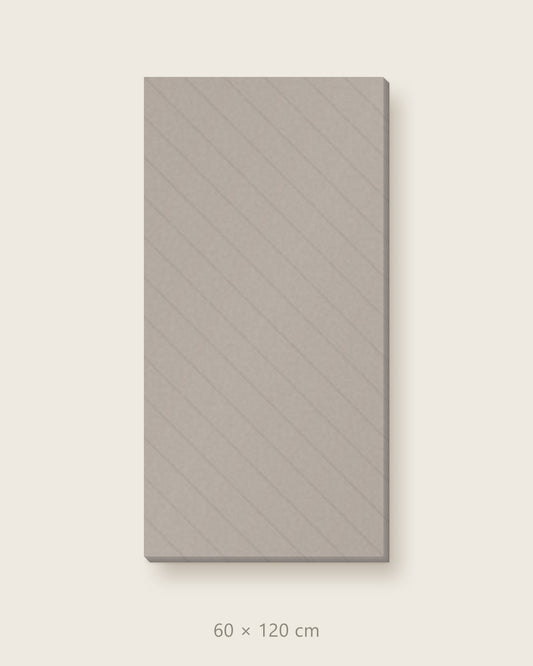
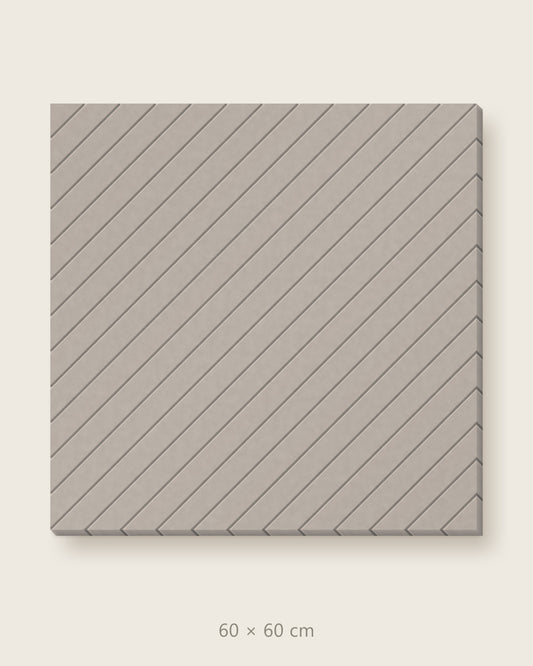
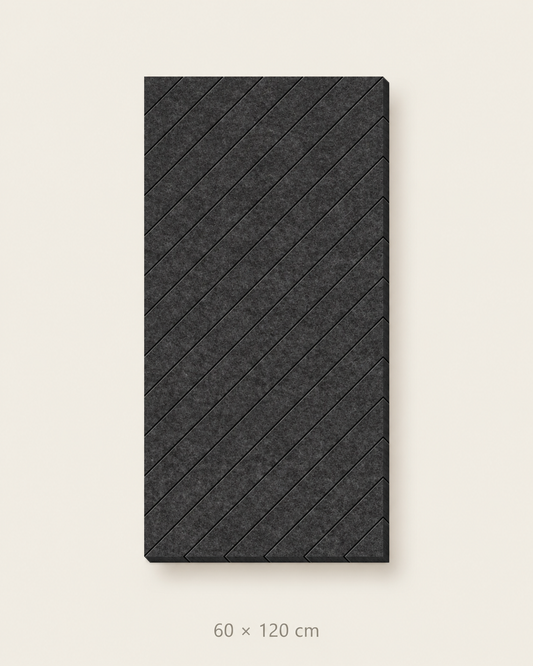
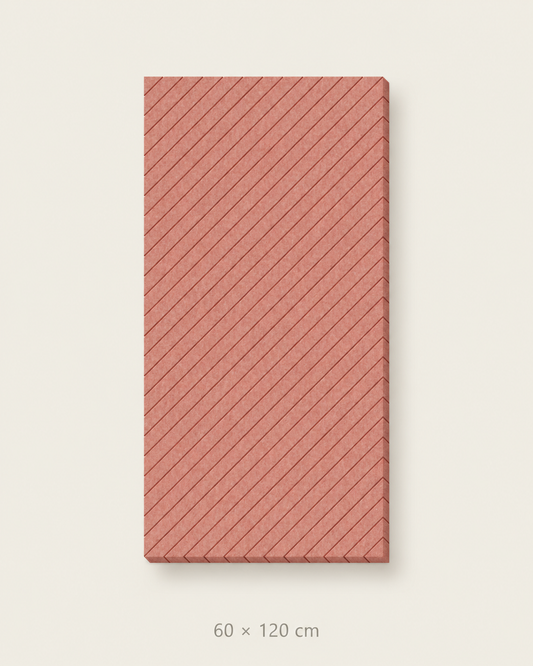
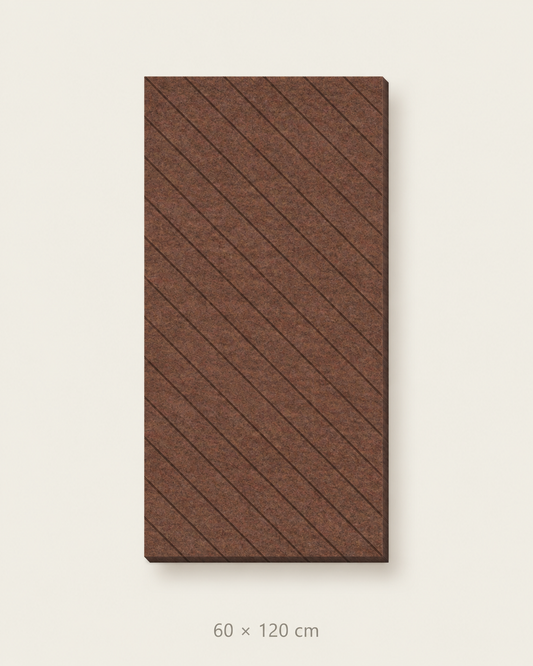
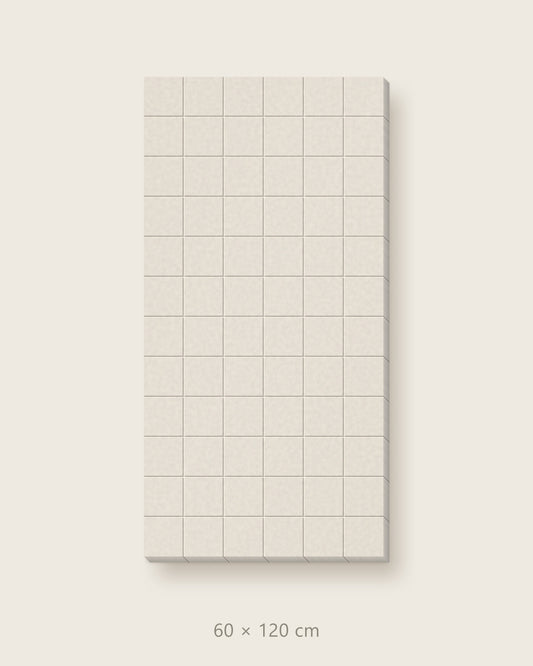
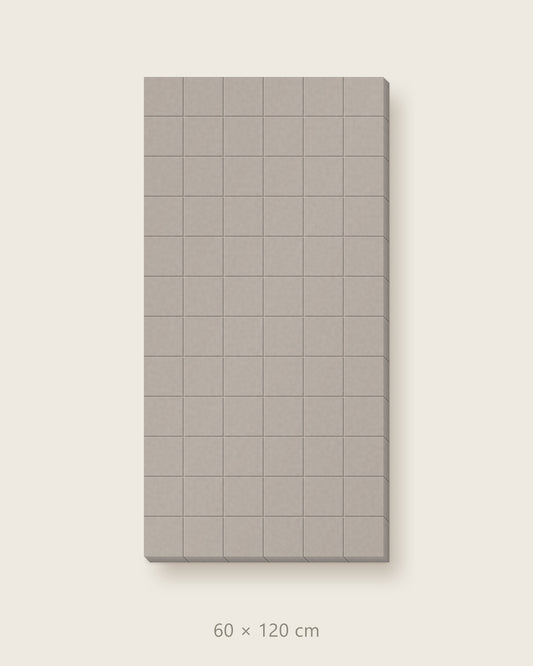
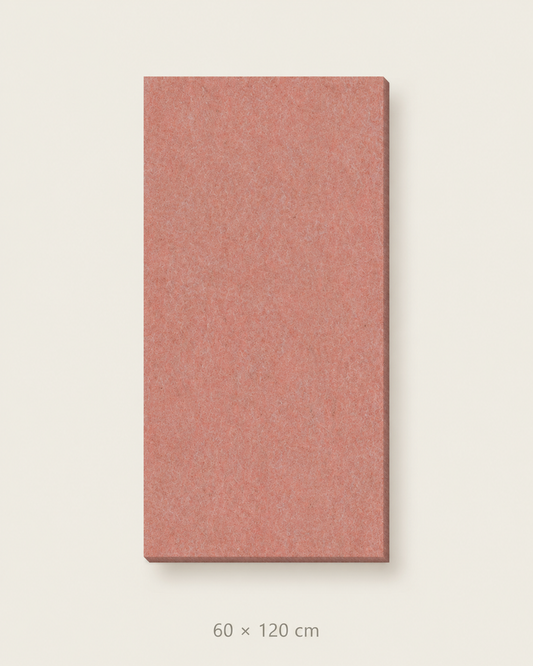
Acoustic Tiles

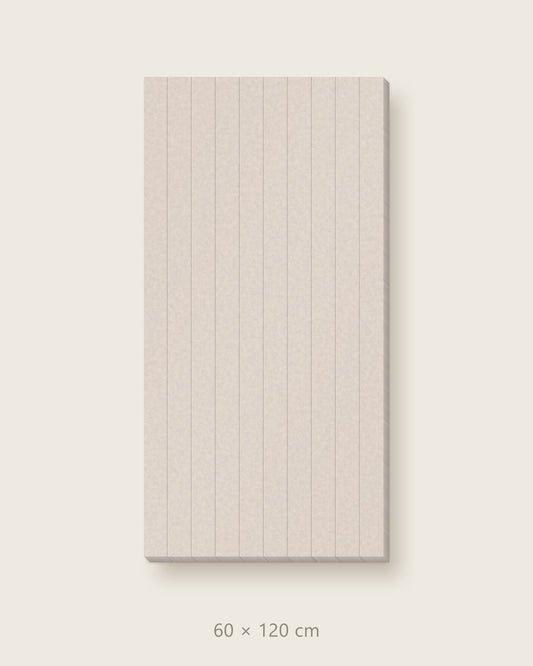
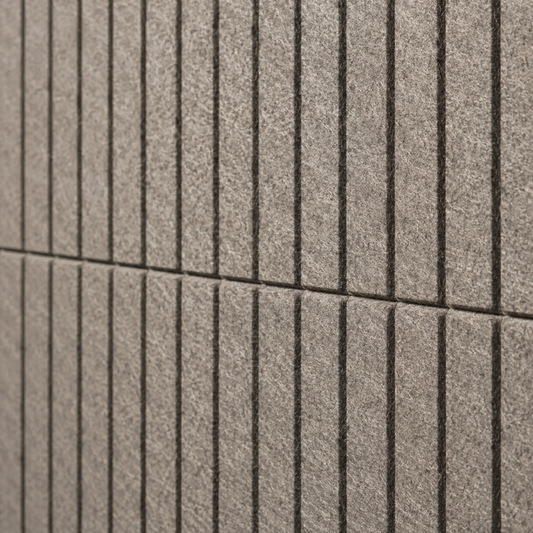
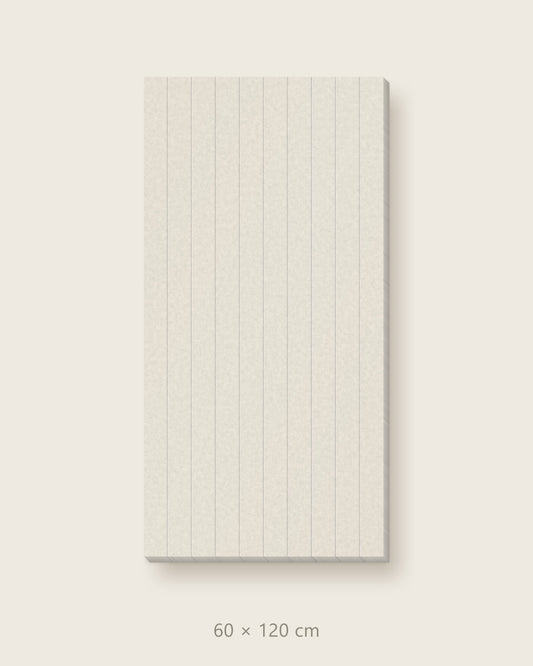
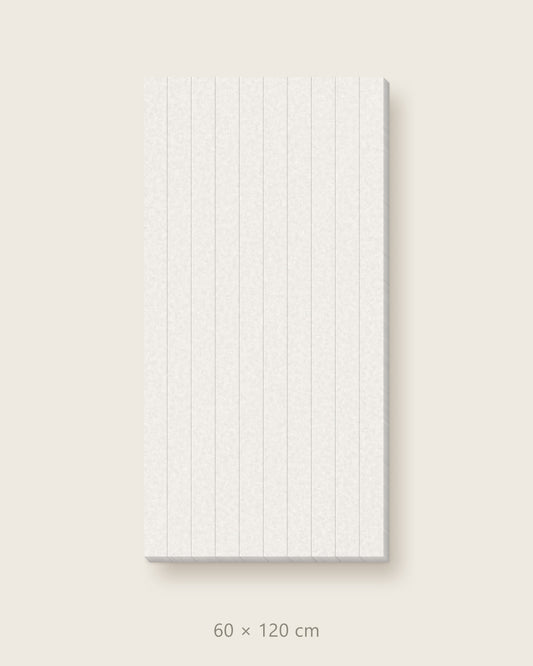
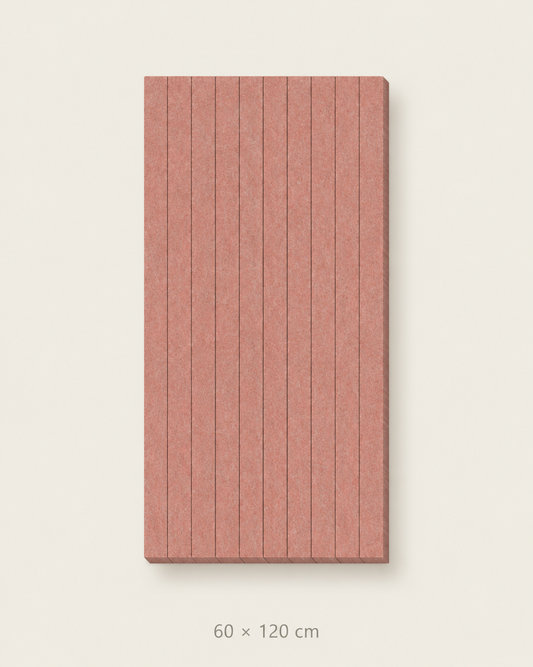
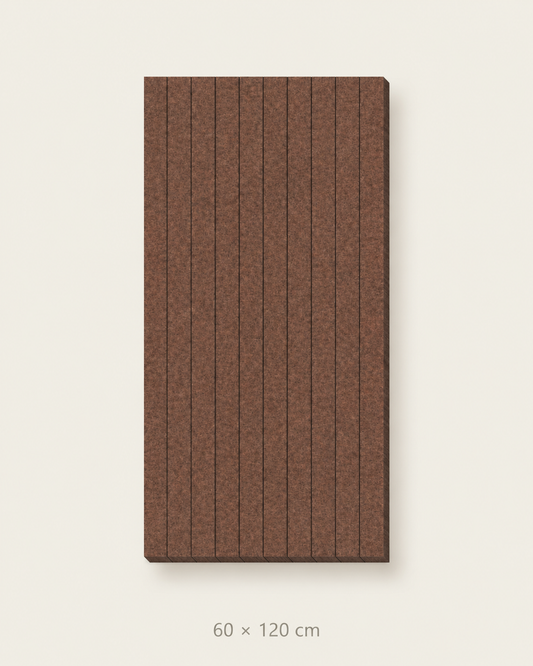
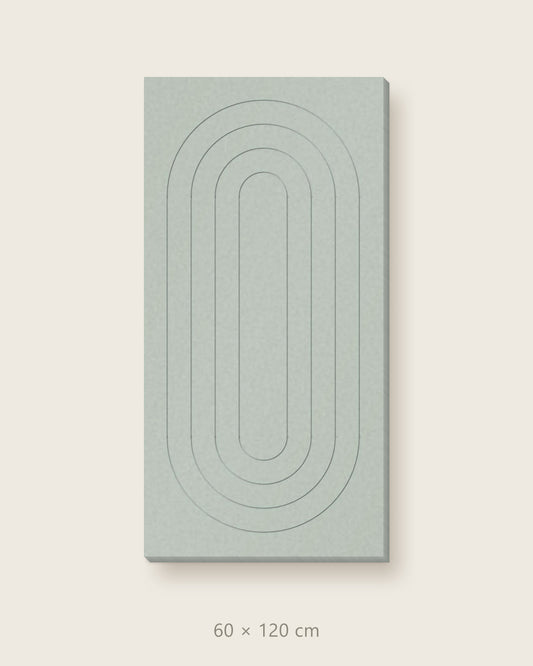
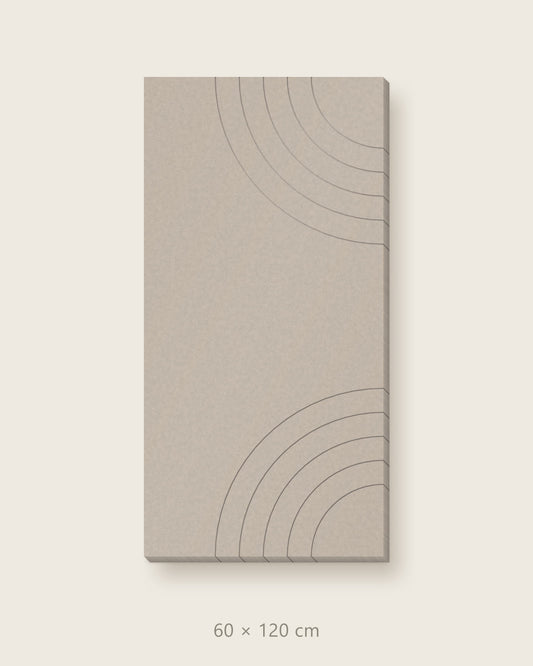
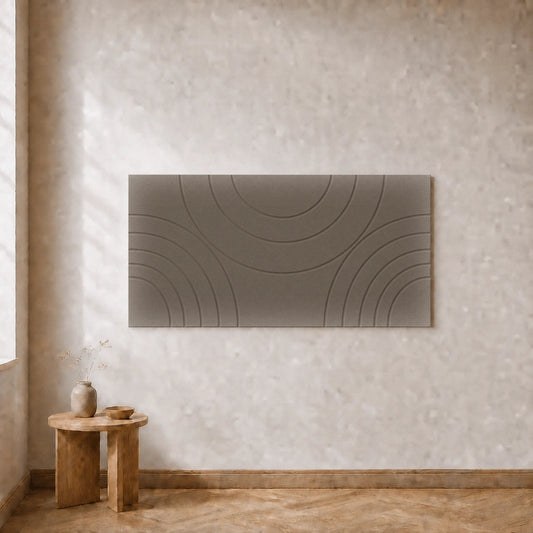
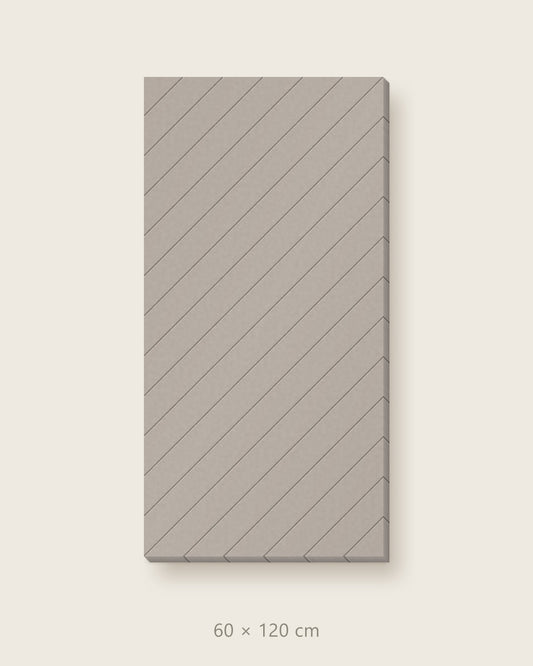
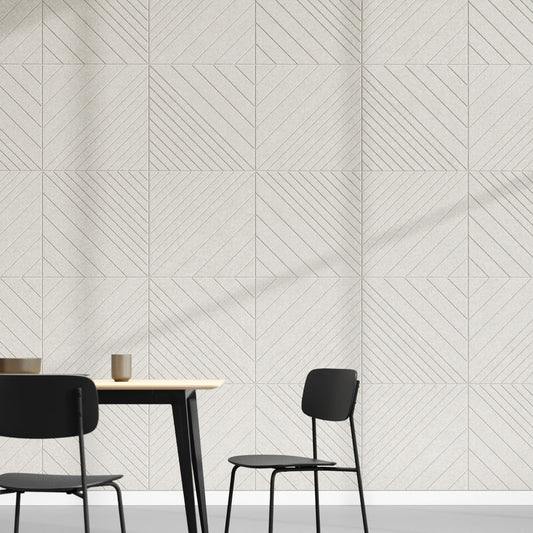
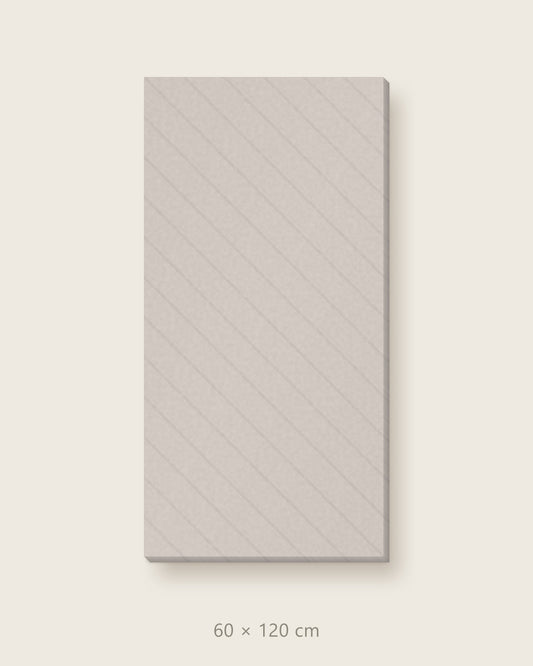
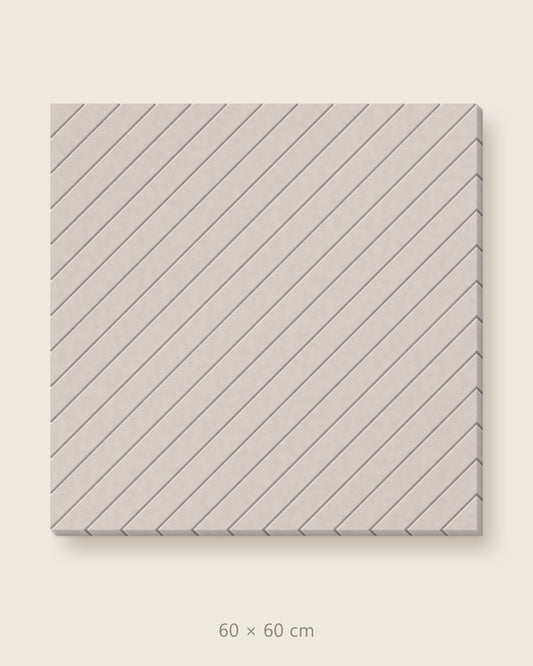
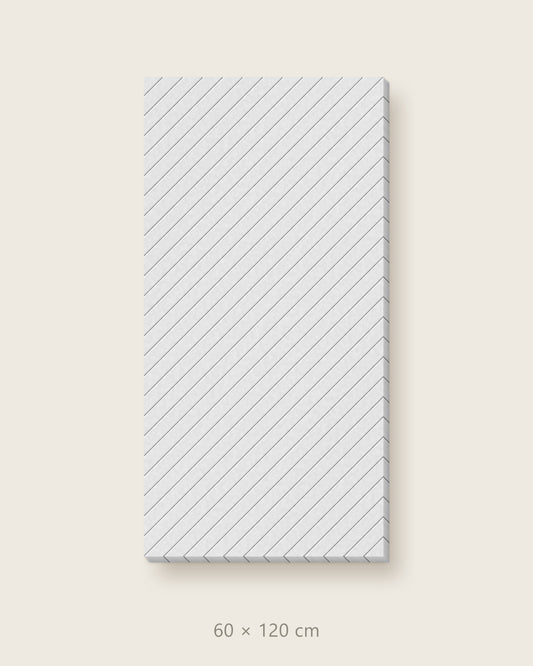
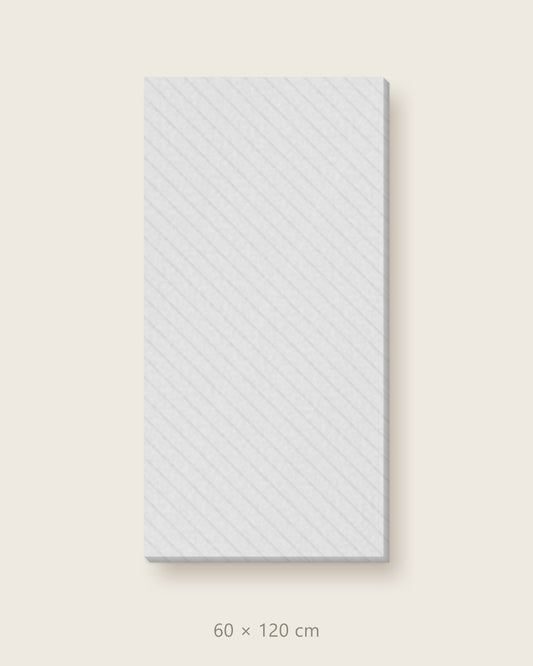
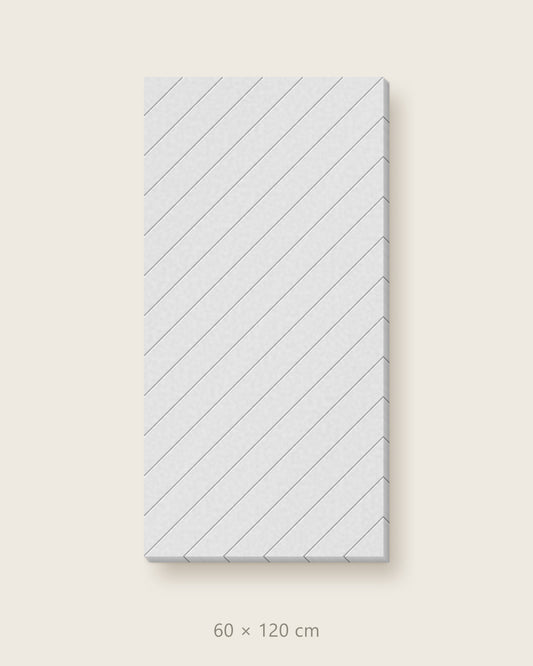
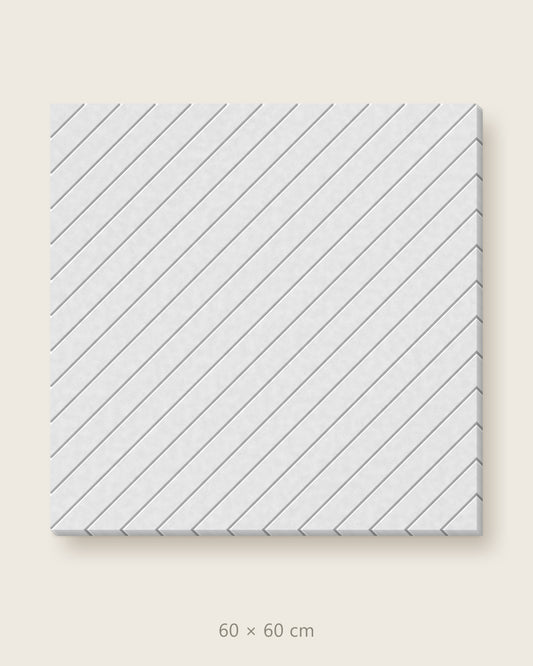
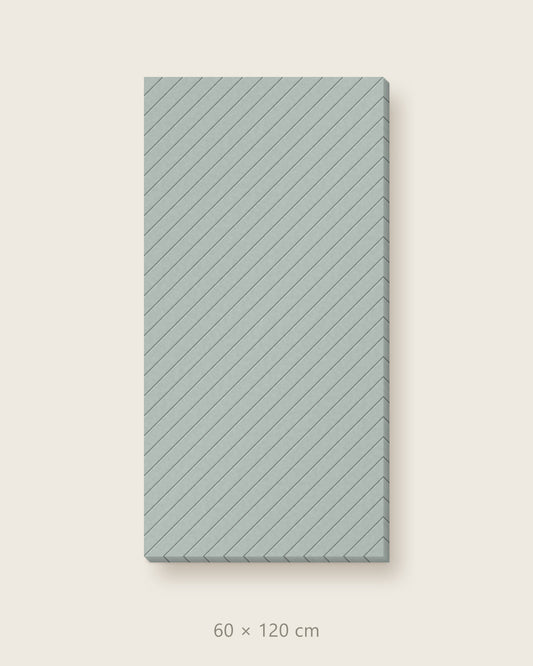
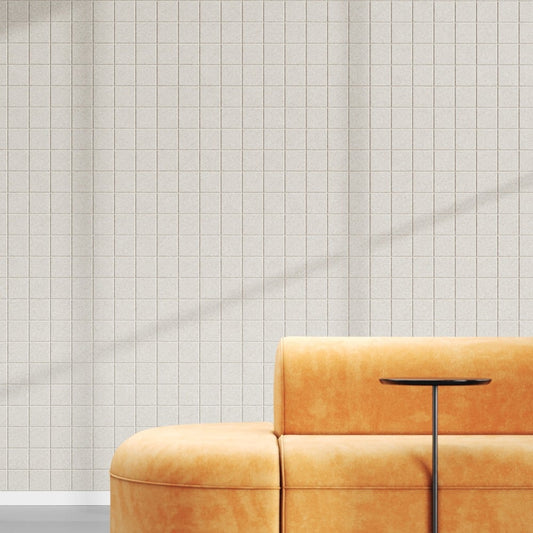
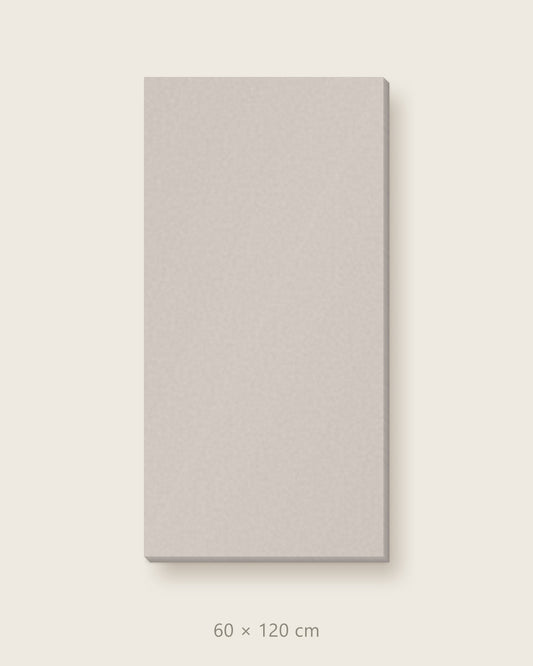
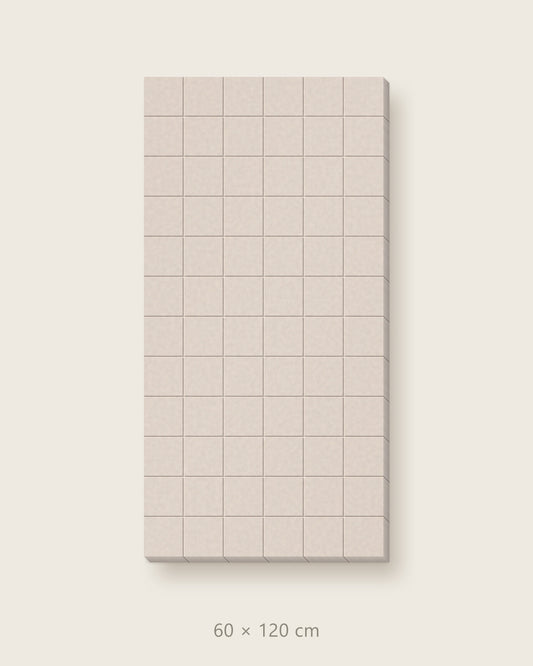
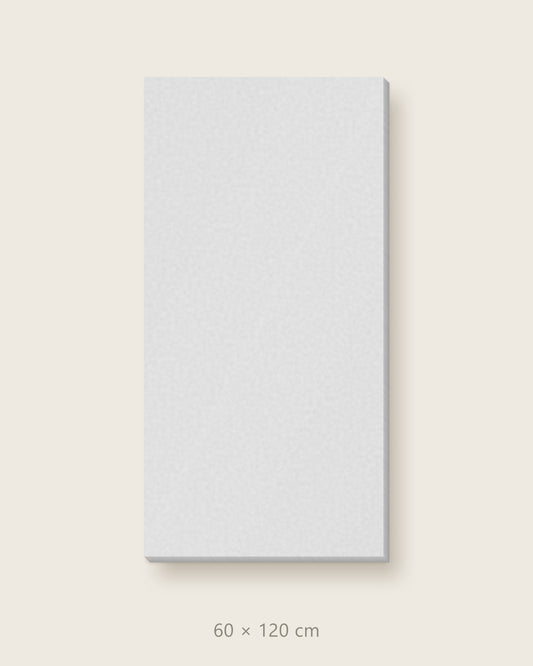
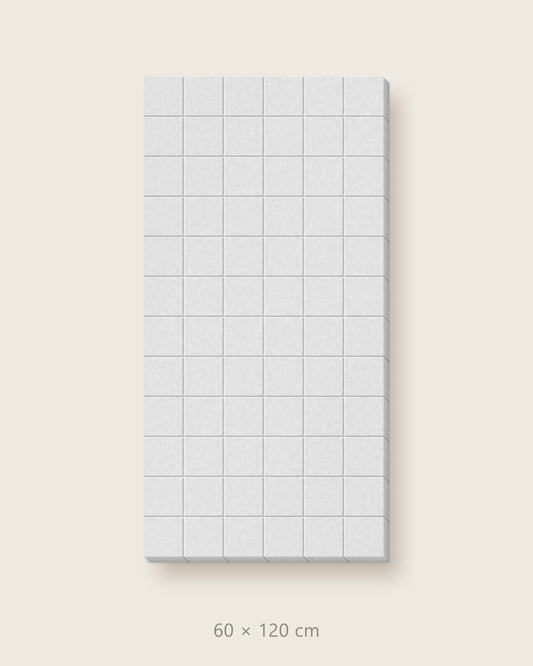
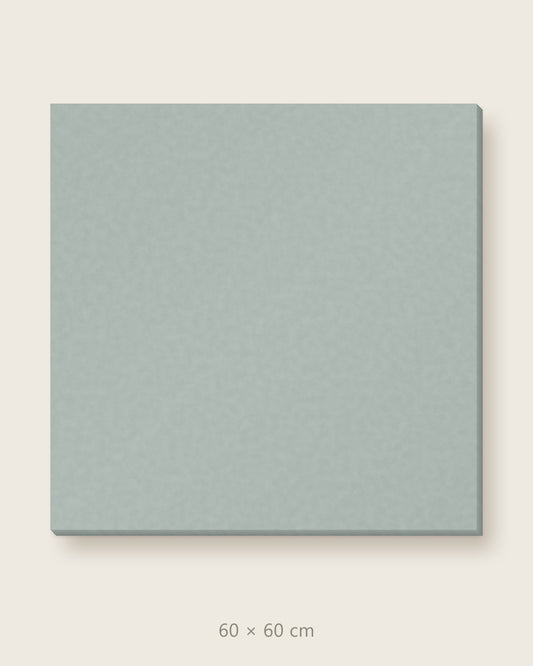
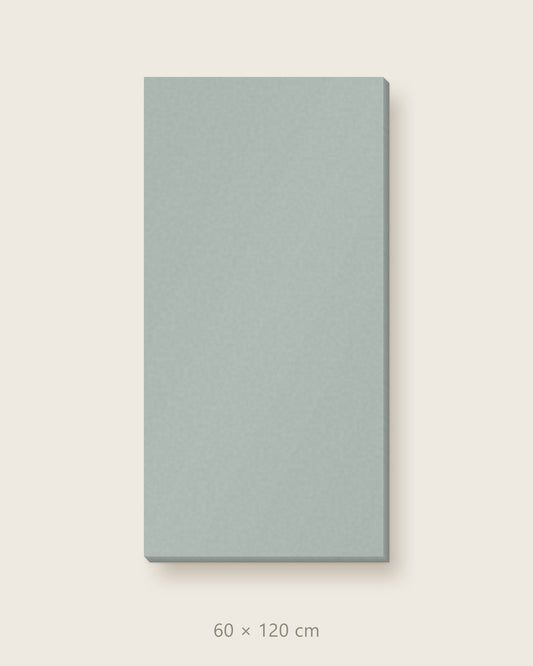
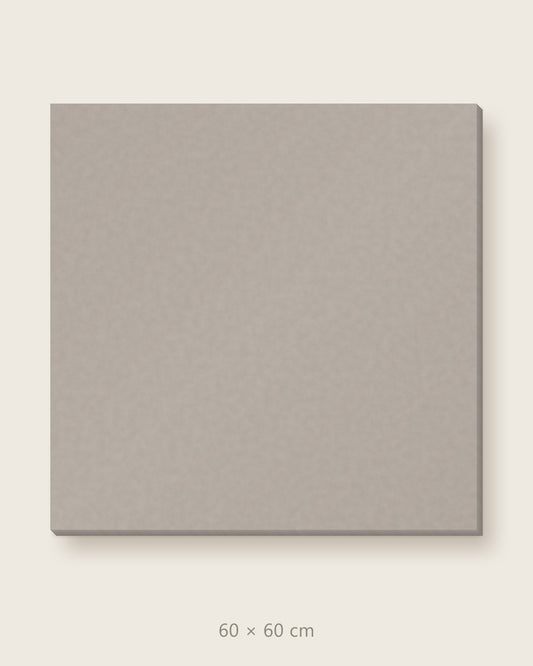
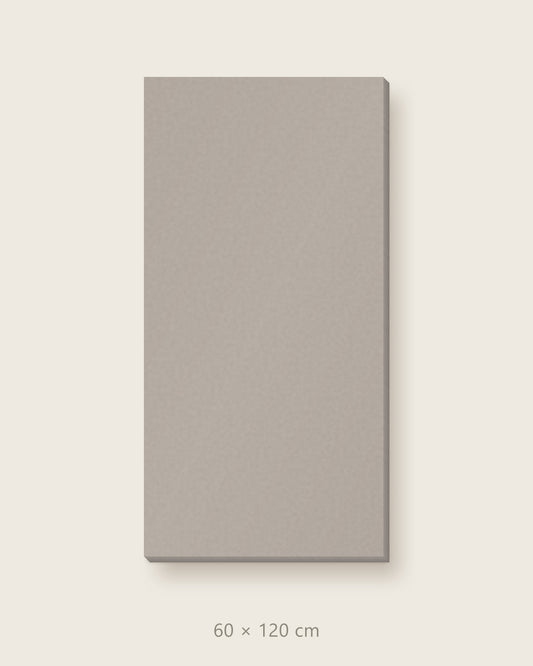
With acoustic tiles made of PET felt you create a pattern that absorbs sound and gives your wall character. Choose from different shapes, reliefs and colours for a personal acoustic wall.

5 products

Acoustic wall tiles in a pattern that suits you

Building up a wall surface with tiles

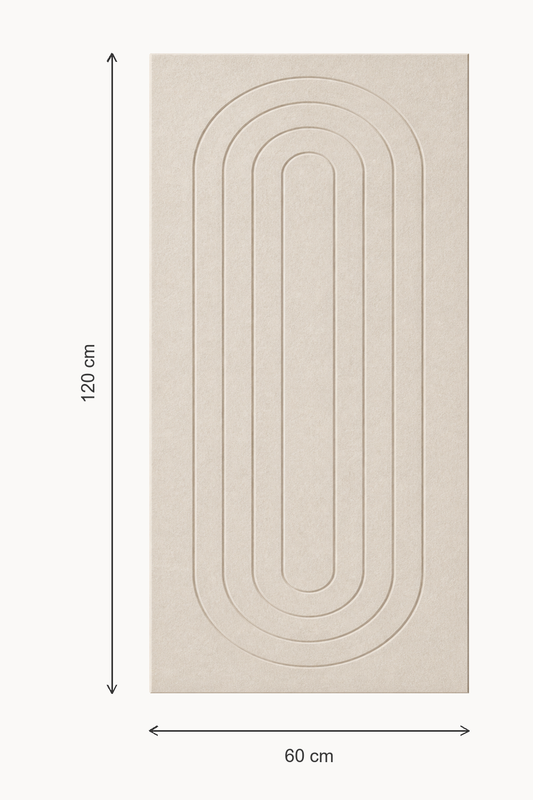
With Tile Lines, Groovy, Grid, Curvy and Angle you create a surface or pattern in PET felt. The designs bring lines, round shapes or relief to the wall and absorb sound. Look for where you can place a larger, connected surface without doors, switches or furniture getting in the way.

Deciding on design and quantity together

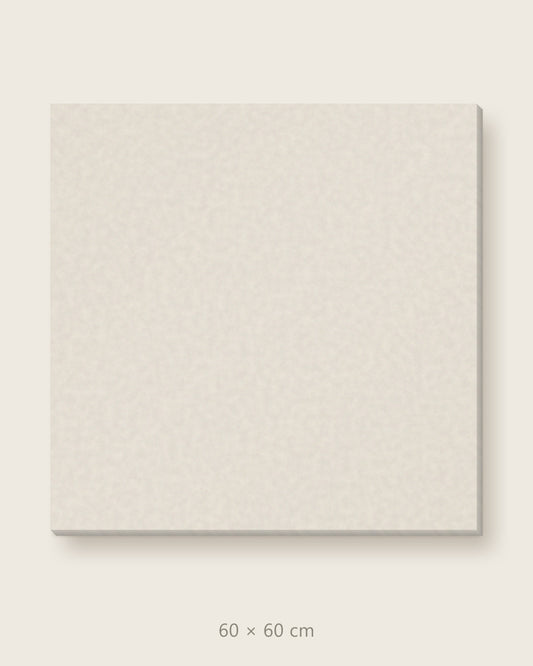
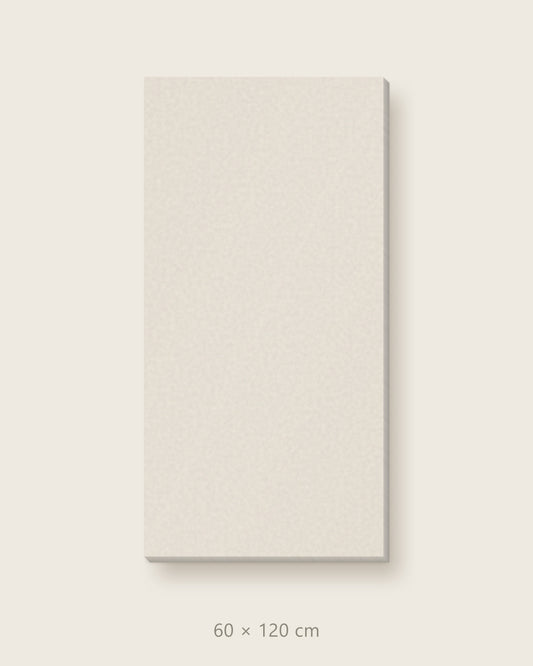
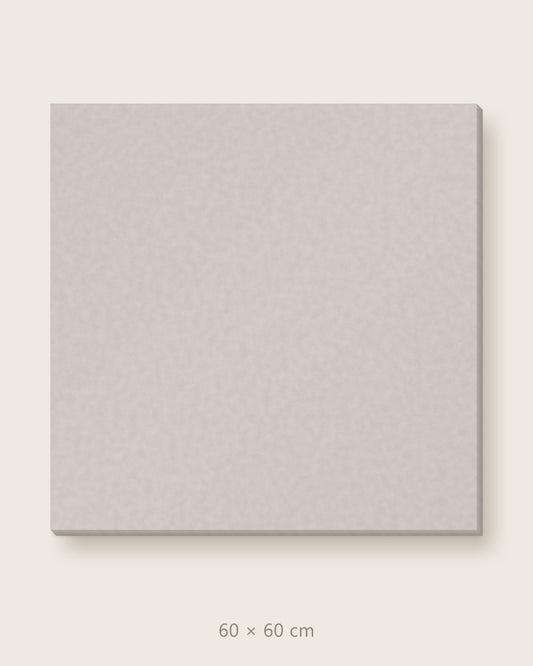
Draw the layout using the actual product dimensions. Pay attention to the direction of the design, connections and cutting waste at the edges. Calculating the number of tiles for your wall is a covering calculation; how much absorption your room needs also depends on information about the space and its furnishing.

Checking the mounting of your tile

The current Tile designs have a self-adhesive back. Before installing, read the instructions for the product you chose and prepare the wall. Do you want a surface you can cut to size yourself? Take a look at the felt wall panels and loose sheets. If you are unsure about the pattern, you can send us your wall dimensions.

Frequently asked questions

Which tile designs are available?

This collection contains Lines, Groovy, Grid, Curvy and Angle. Check the current sizes, colours and version for each product; these details can differ per design.

How do I calculate the number of tiles for a wall?

Use the product dimensions and your layout plan. Allow for edge pieces, pattern direction and cutting waste. Do not take the total wall area alone as your starting point with a staggered or open pattern.

Are the tiles also soundproofing?

They add sound-absorbing material to the room and help limit reverberation. They do not replace structural measures against sound transmission through a dividing wall.

Can I apply tiles to an uneven wall?

A self-adhesive back needs a suitable flat surface. Discuss a rough, powdery or fragile wall first; extra glue is not a general solution for every surface.

Advice from Silensa

What should you consider when choosing?

Not sure which product you need? Start with the space you have for a panel and the echo you want to reduce.

View PET felt samples
01

Where can you place the product?

Start by finding where sound reflects most strongly, then check how much free wall or ceiling space is available.

02

What can you expect?

The material absorbs sound and helps reduce echo in your room. The final result depends on the area covered, thickness, material structure, positioning and the rest of the interior.

03

Does this help with noise from neighbours?

These products reduce reflections and reverberation within the room. They are not a substitute for structural soundproofing against noise from neighbours or impact noise.