
A calm first impression
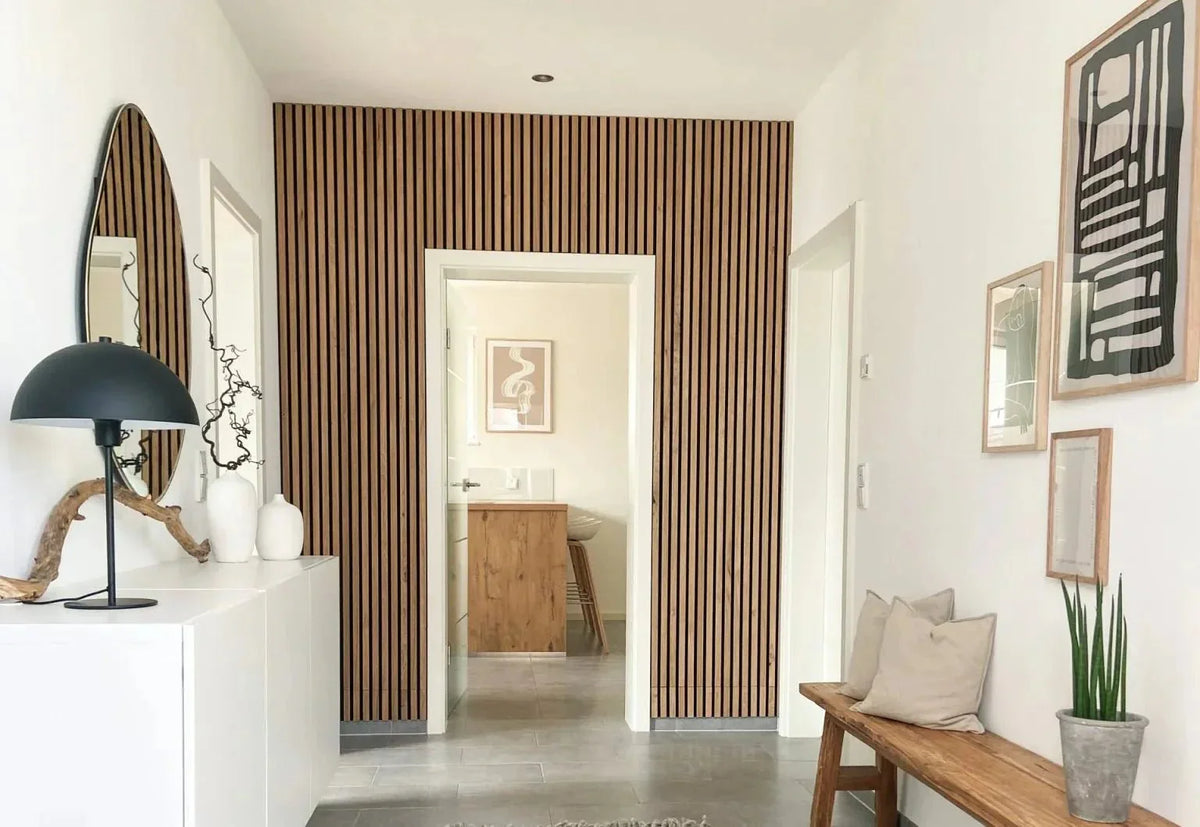
Improving the acoustics in your hallway
Do voices and the sound of the door keep ringing on in your hallway? Explore solutions for free walls and ceilings, even if you have little space.
- Choose your colour and sizeCheck the options for each product
- Sound-absorbing PET feltTo help reduce echo in your room
- Samples to compare at homeCompare colours and textures
- Personal adviceWe will help you choose
Find what works for you
Solutions for your hallway
Look for a free wall that does not get in the way of doors, coat hooks and the walking route.
 Acoustic wall panelsExplore acoustic products that suit your hallway.
 Wall artExplore acoustic products that suit your hallway.
 Acoustic ceiling islandsExplore acoustic products that suit your hallway.
 Acoustic dividersExplore acoustic products that suit your hallway.
 Acoustic wall stickersExplore acoustic products that suit your hallway.
Understand the echo
Why does a hallway echo so easily?
A hallway often has a hard floor, smooth walls and little furniture. Sound from doors, voices and footsteps is therefore barely dampened.
- Less distracting echo and fewer harsh reflections
- Clearer voices and a more comfortable room
- Better acoustics without compromising your interior
Open wall
Use a large open wall to absorb reflections while keeping the room visually calm.
Ceiling
The ceiling is a practical option when wall space is limited or you prefer a discreet solution.
Near the sound source
Place absorption close to where voices, play or appliances create the most sound.
Popular for your hallway
Frequently chosen products
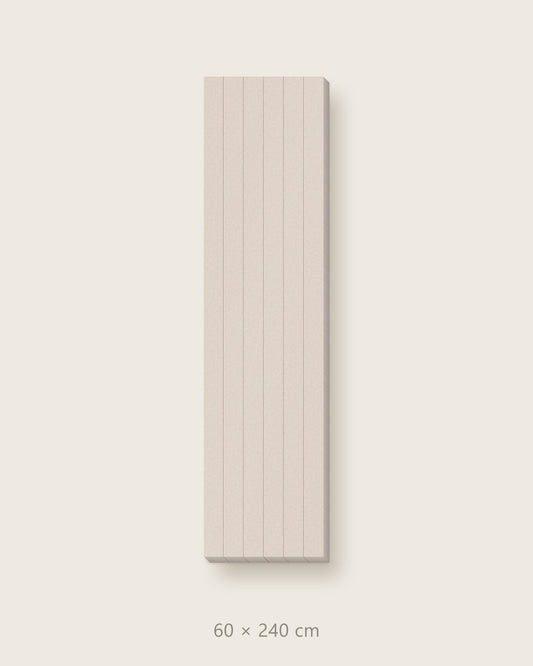

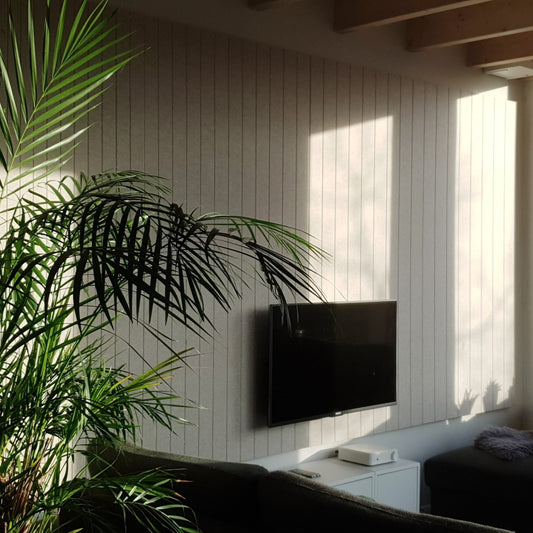
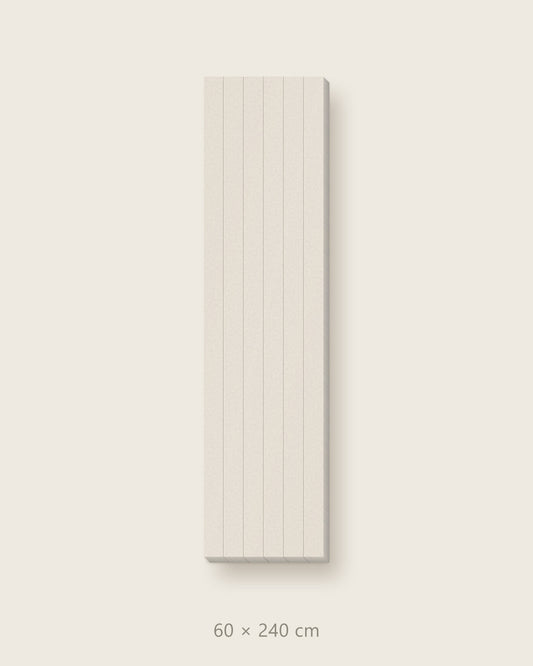

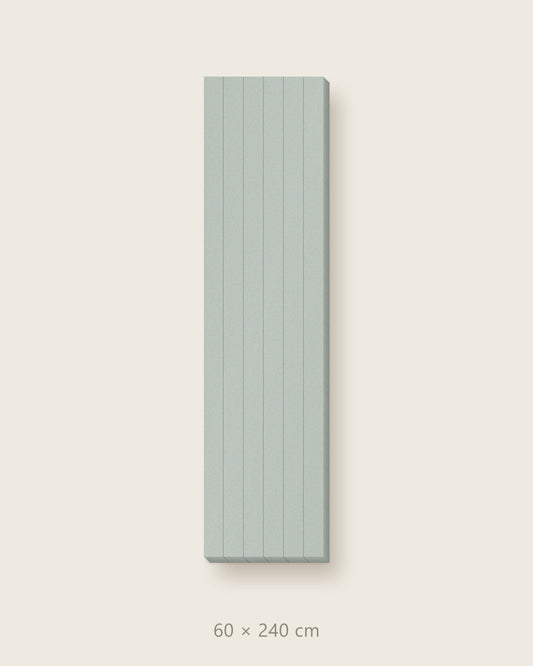
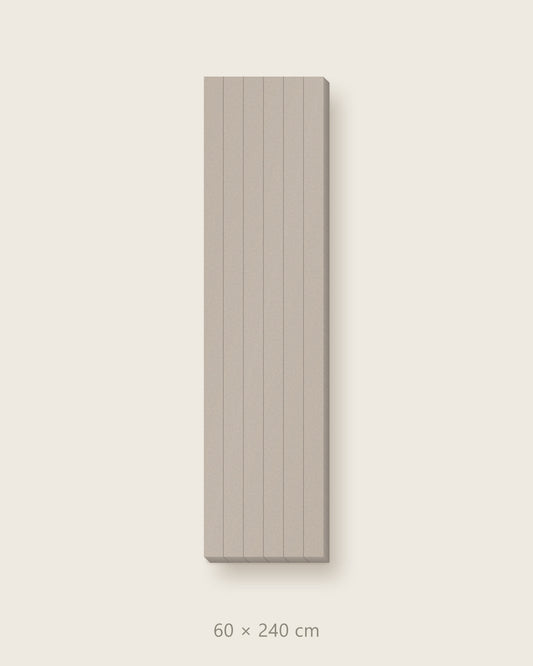
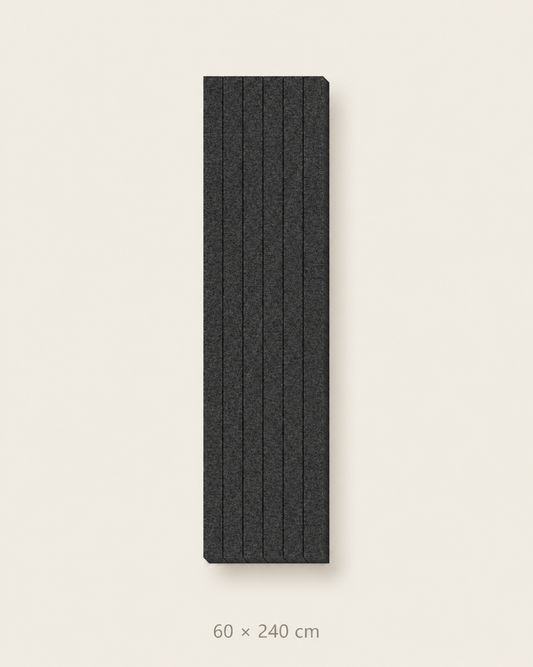
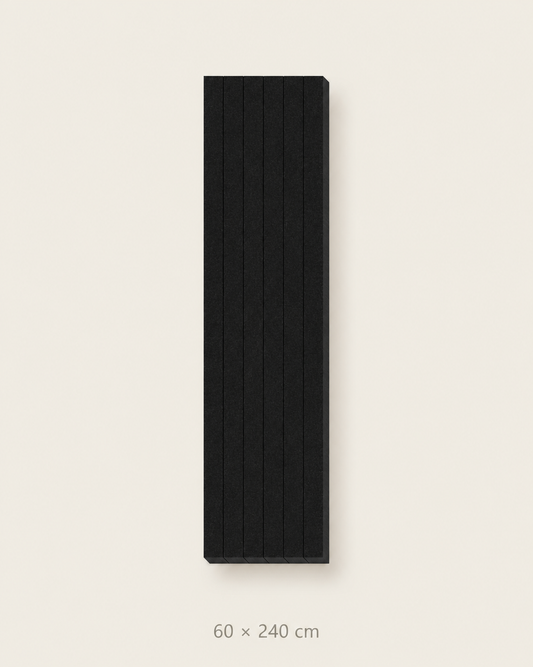
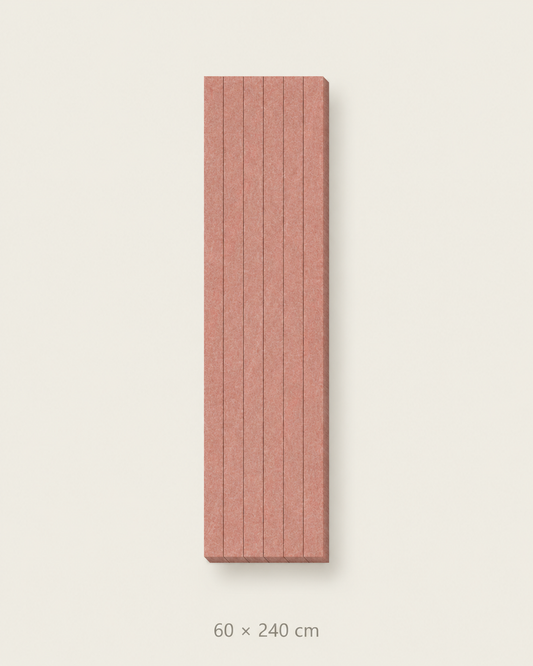
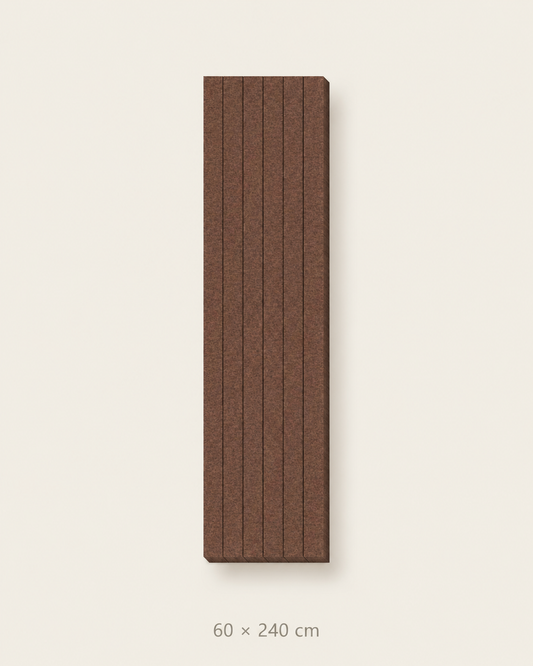
Acoustic slat wall Japandi Wall: sound-absorbing PET felt in Japandi style
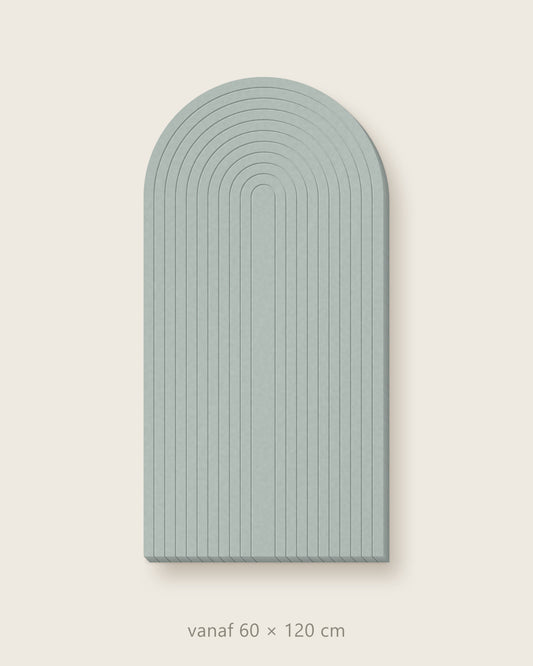
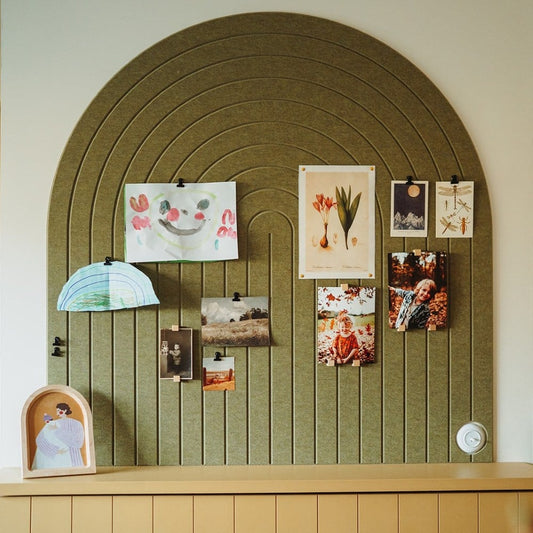
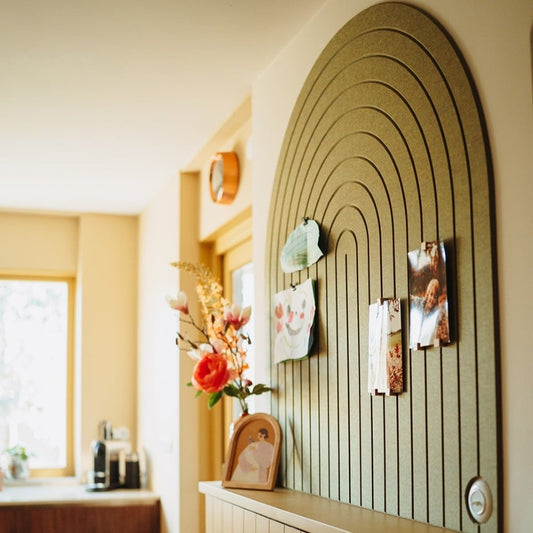
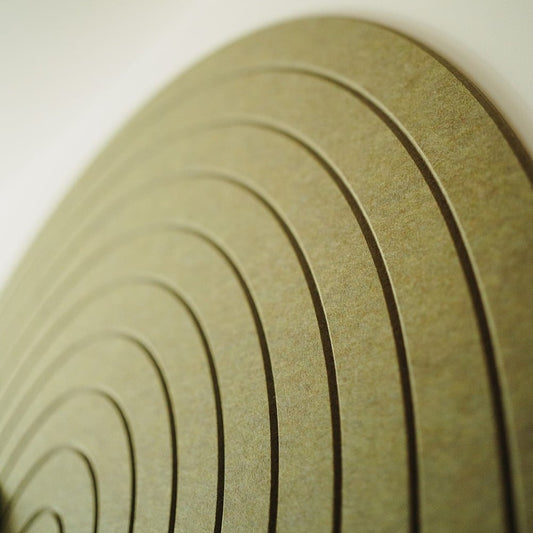
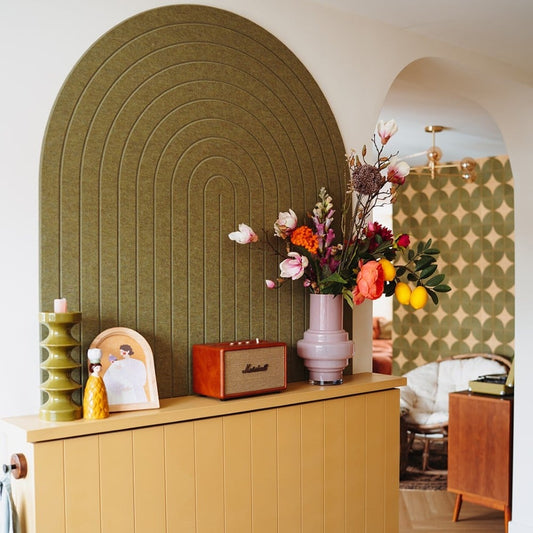
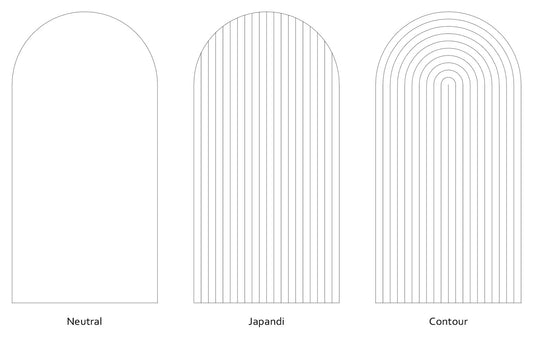
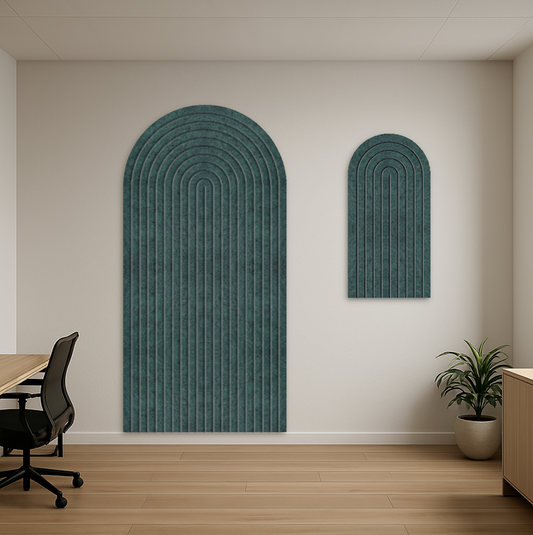
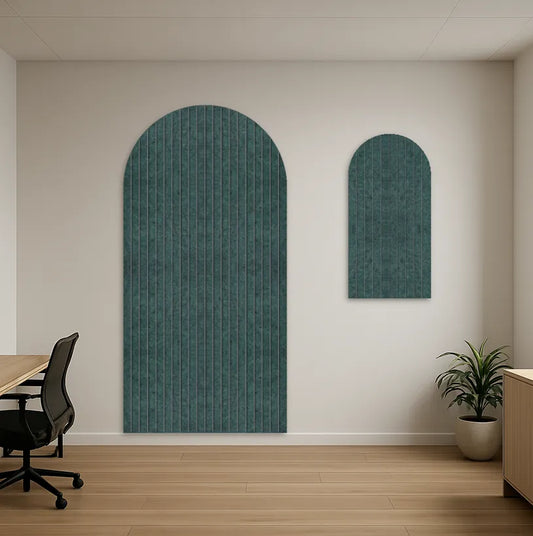
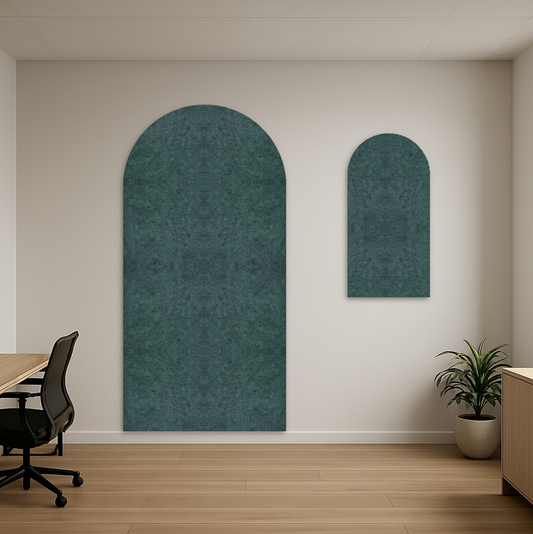
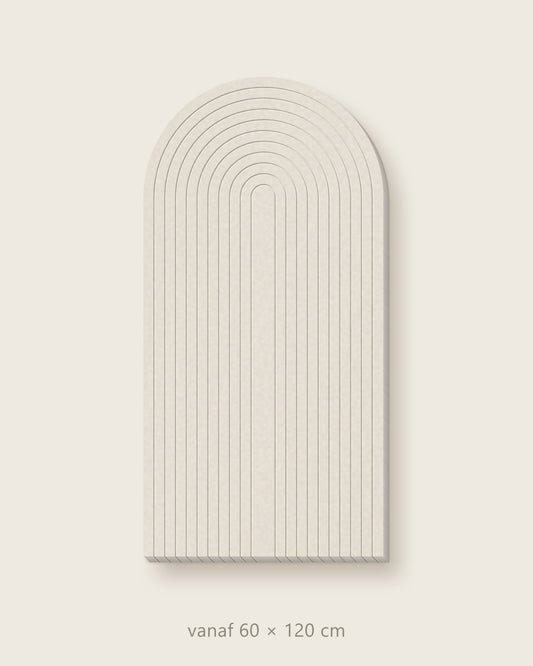
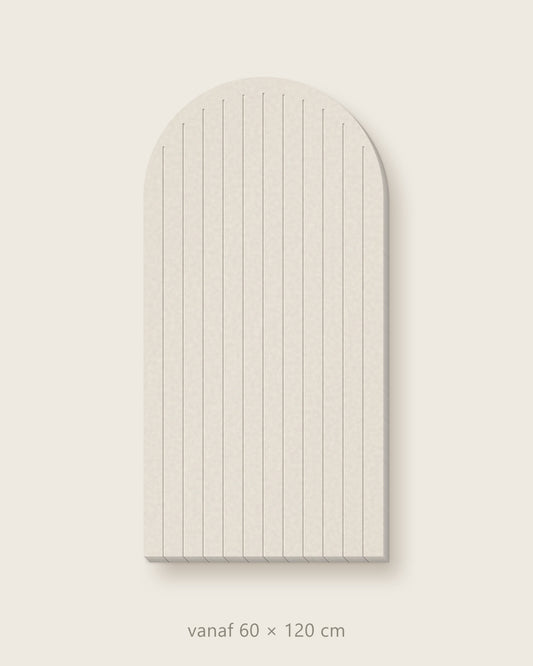
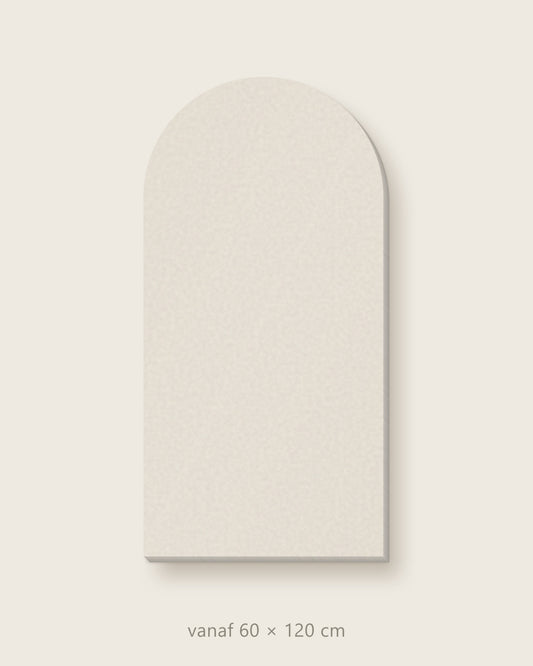
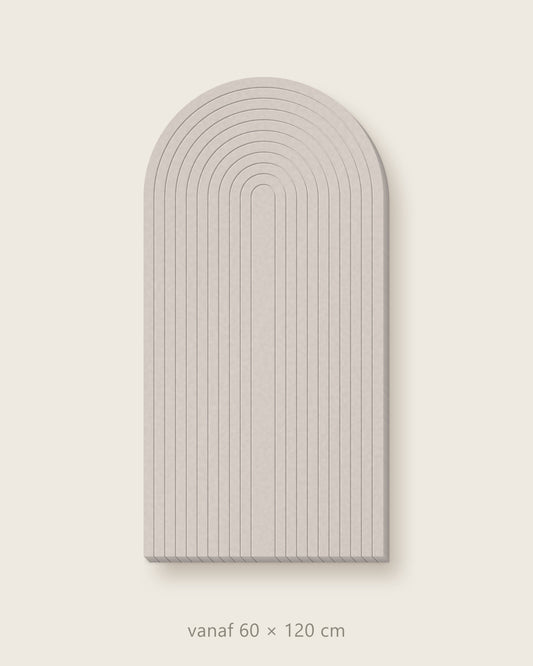
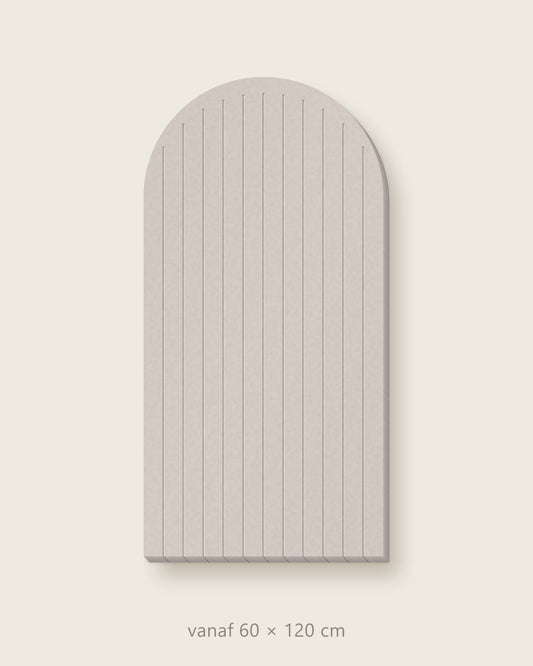
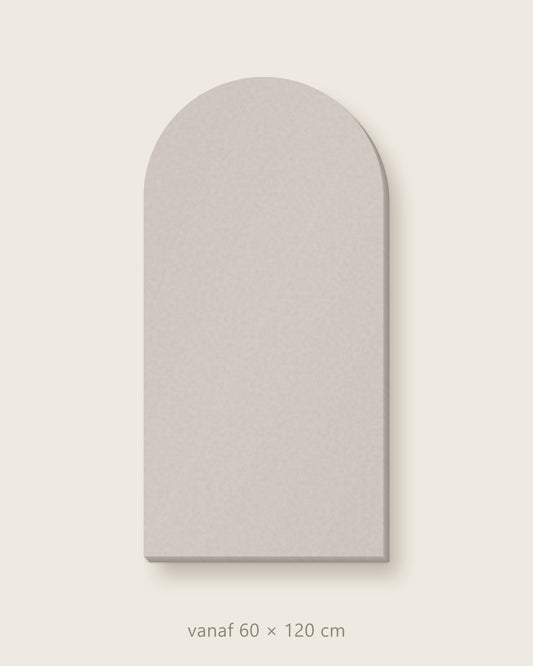
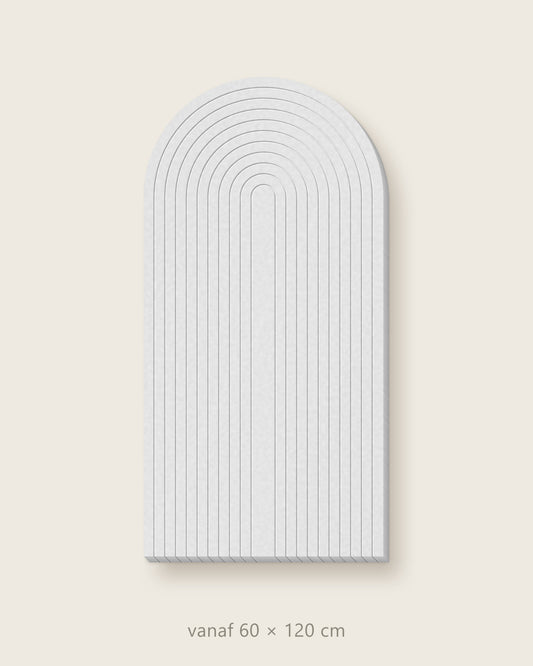
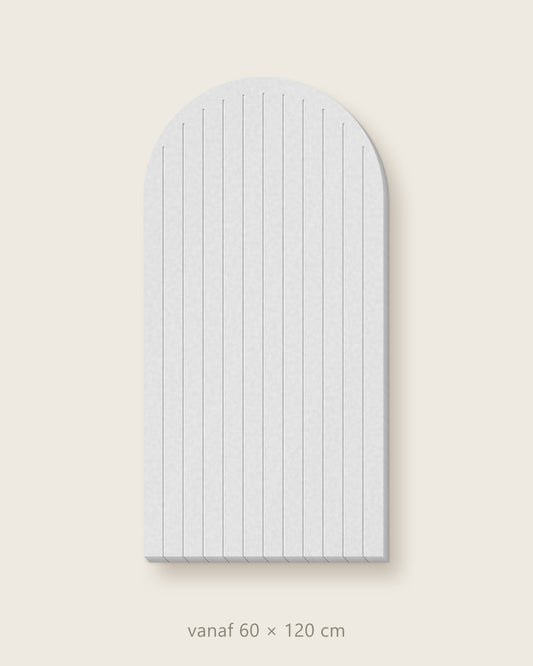
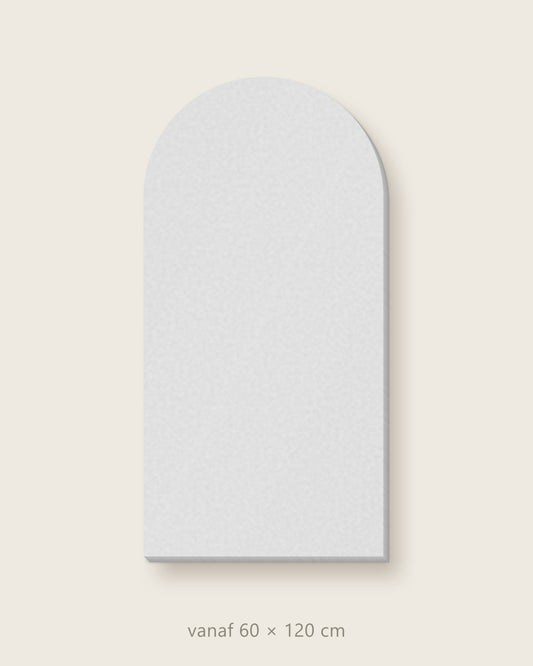
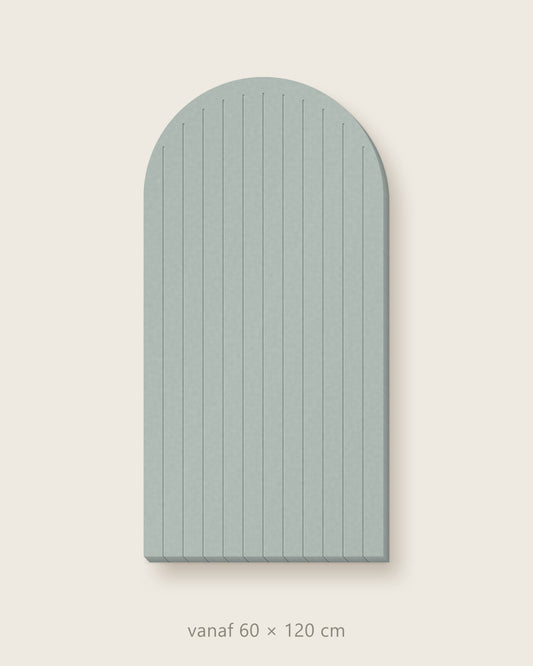
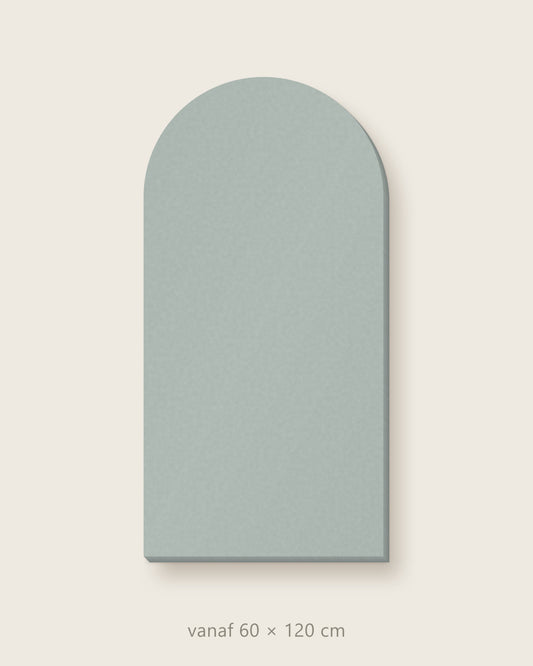
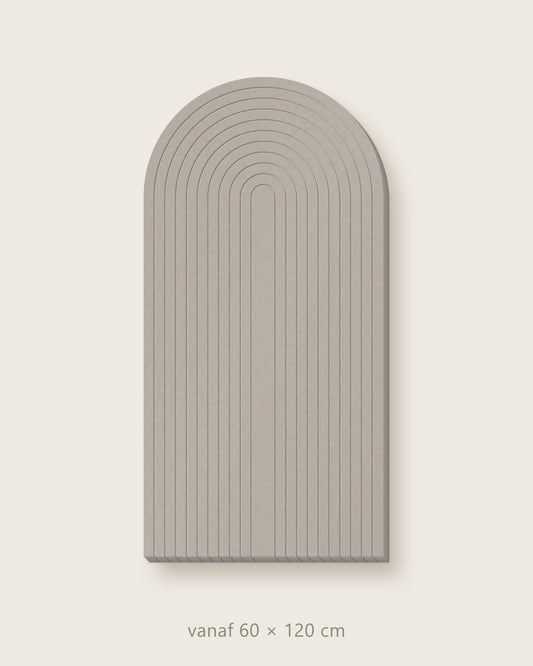
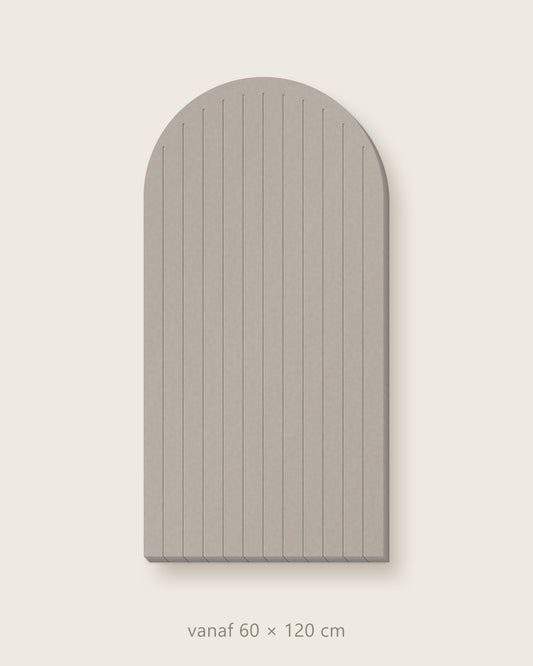
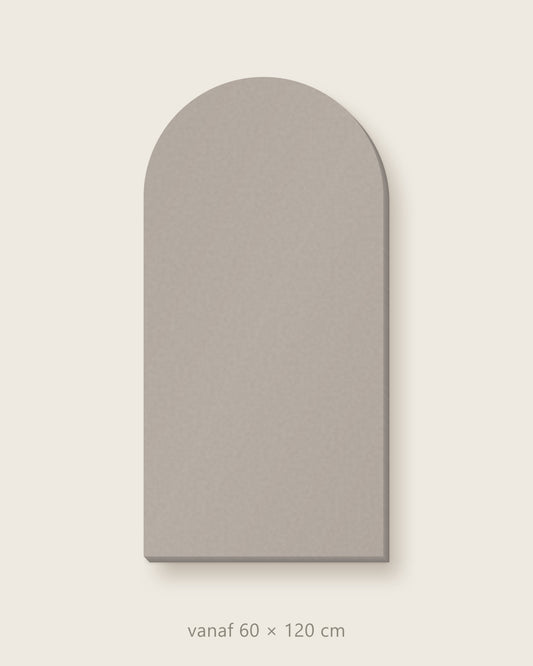
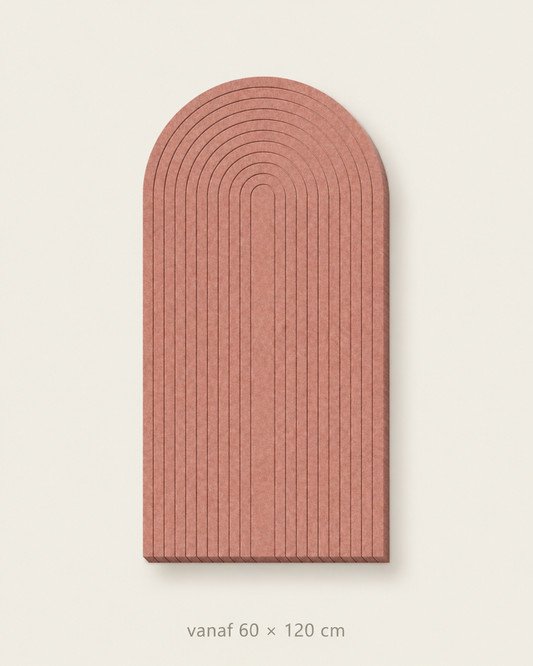
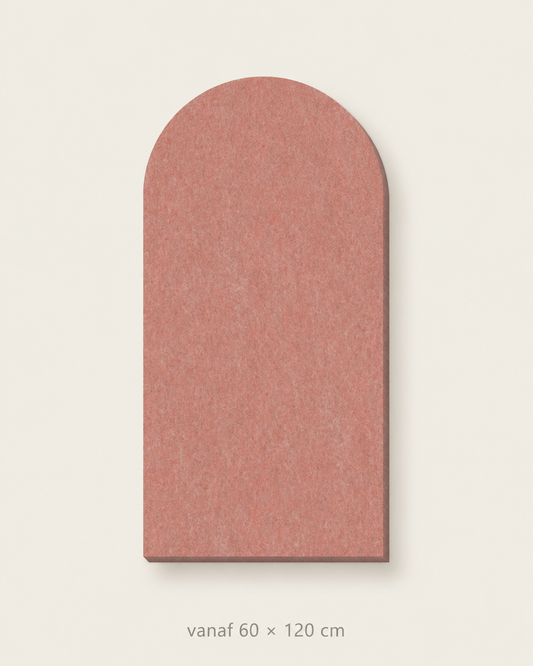
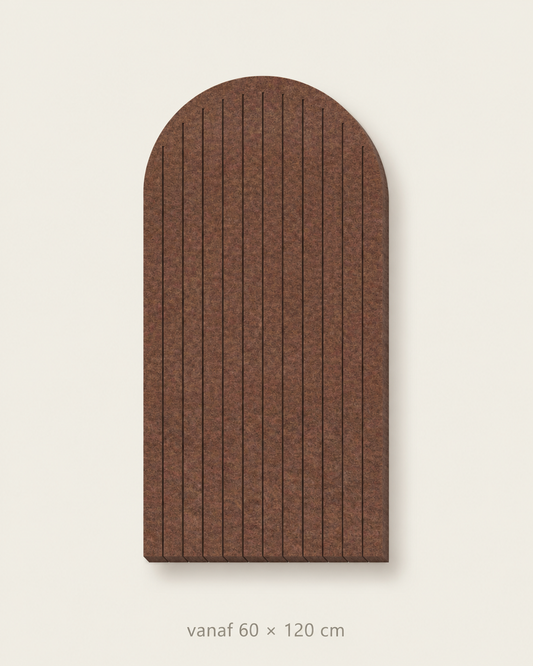
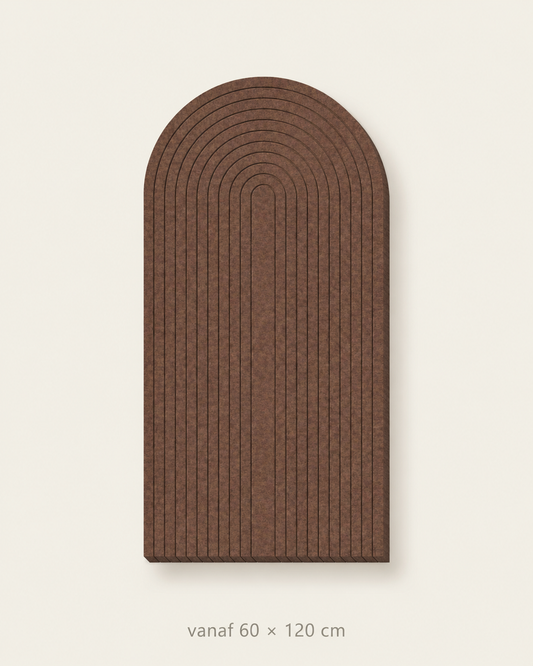
Acoustic wall panel Wall Arch: arc shaped PET felt and pinboard


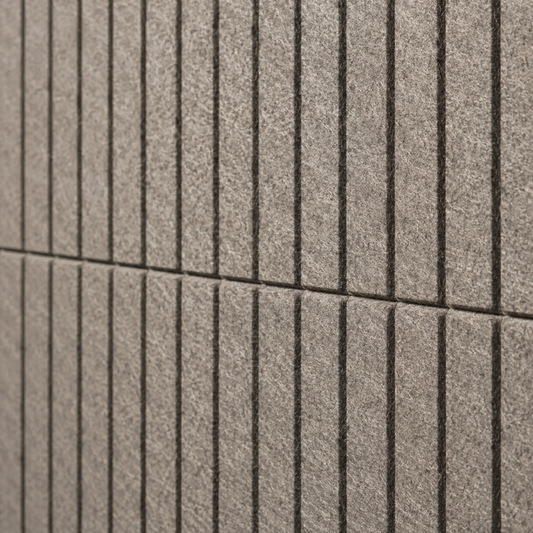


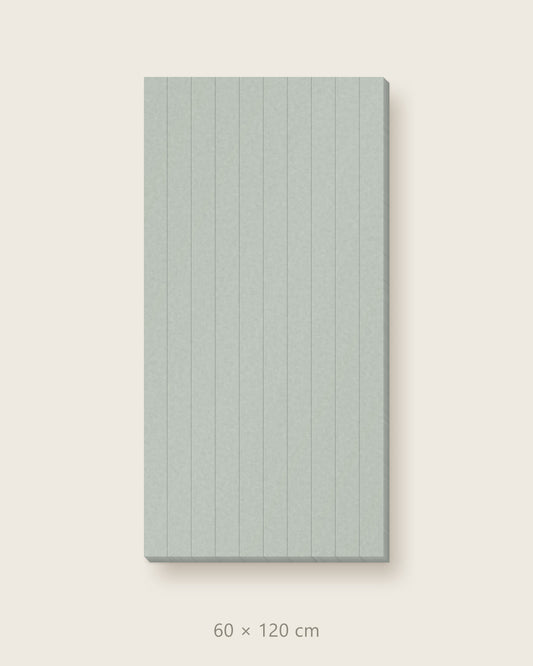
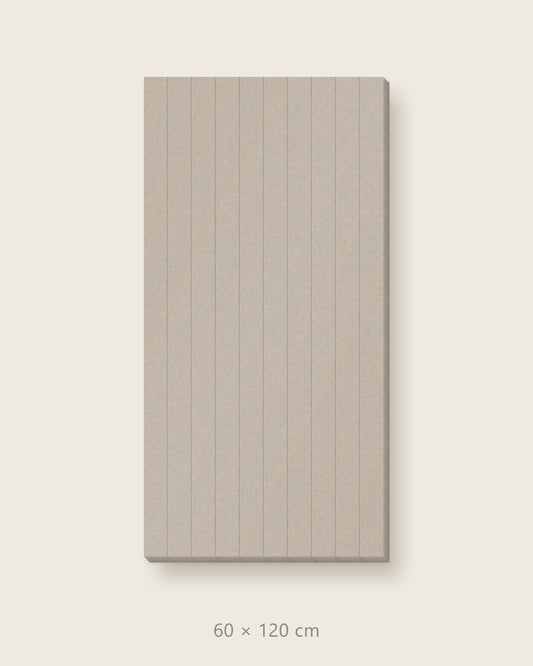
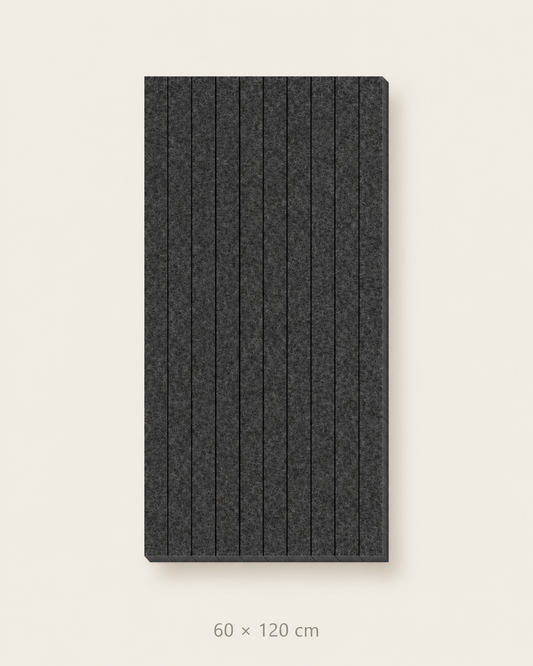
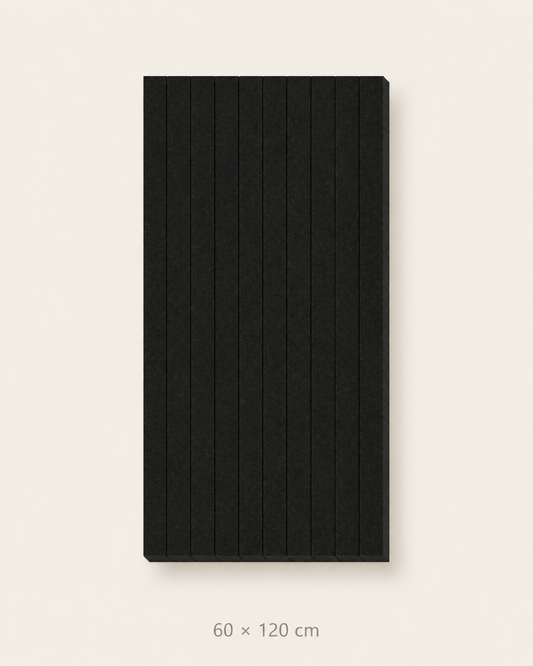
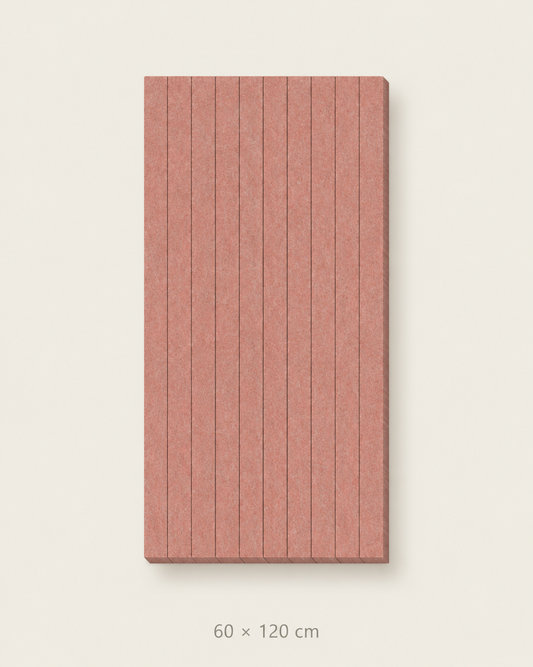
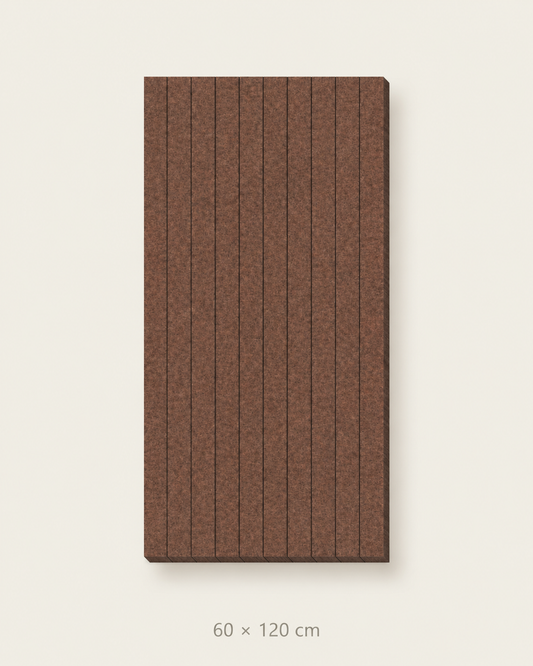
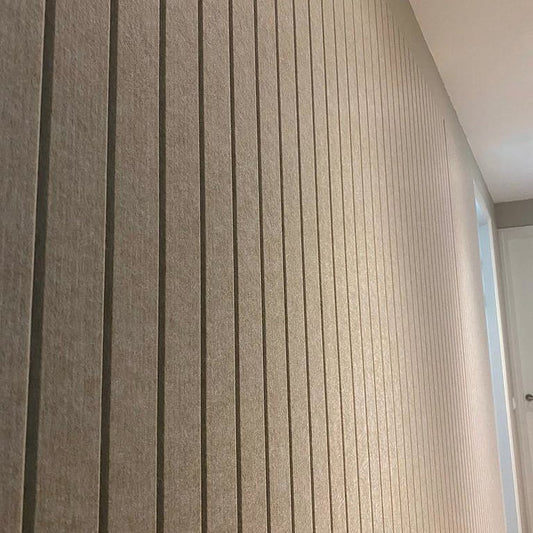
Acoustic wall tiles Lines: sound-absorbing felt with subtle lines
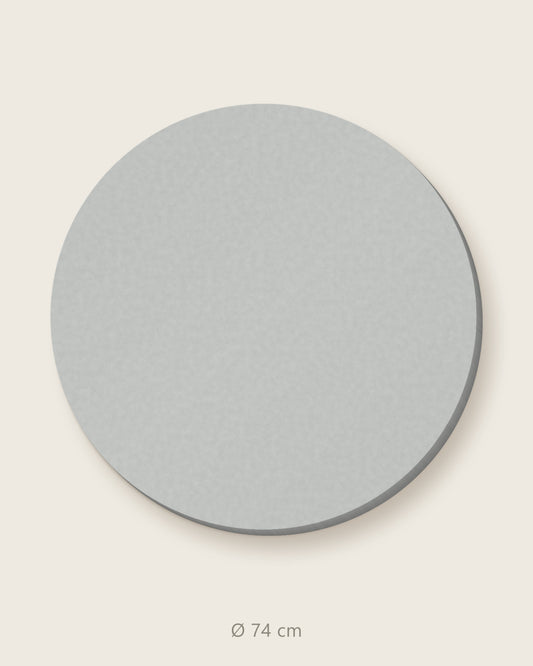
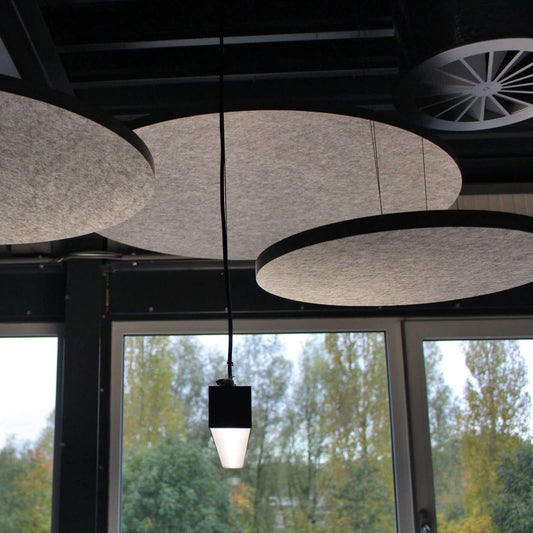
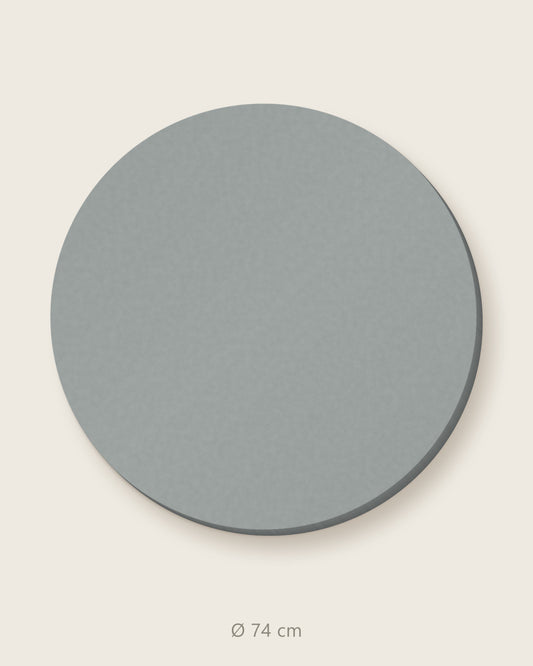
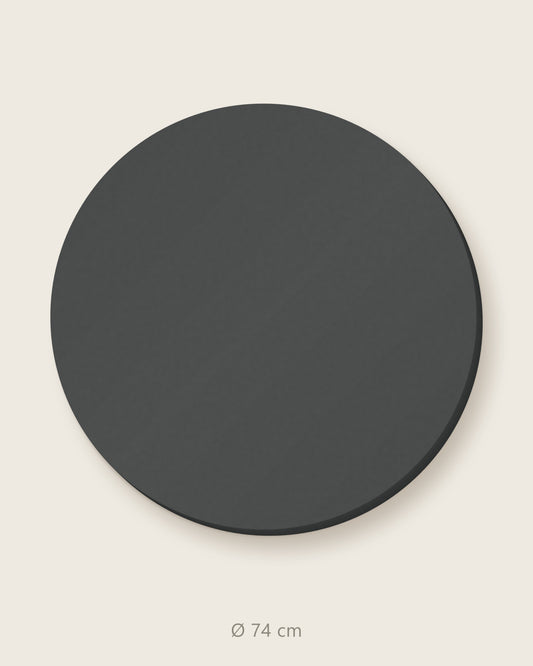
Acoustic ceiling panel Round: sound-absorbing felt panel
Good to know
Frequently asked questions about acoustics in your hallway
How much acoustic material do I need?
That depends on the room size, its furnishings and the amount of hard surface. Start with the largest open reflective area and ask for advice if you are unsure.
Where should I place acoustic panels?
Choose an open wall or ceiling area near the main sound source. The best position depends on the layout and how you use the room.
Can I compare PET felt colours at home first?
Yes. Samples let you compare colours and textures in your own interior, in both daylight and evening light.