
Talk more quietly and linger longer at the table
Improving the acoustics in your dining room
Do you keep asking each other what was said at the table? Less echo can make conversations more pleasant. Explore the options around your dining table.
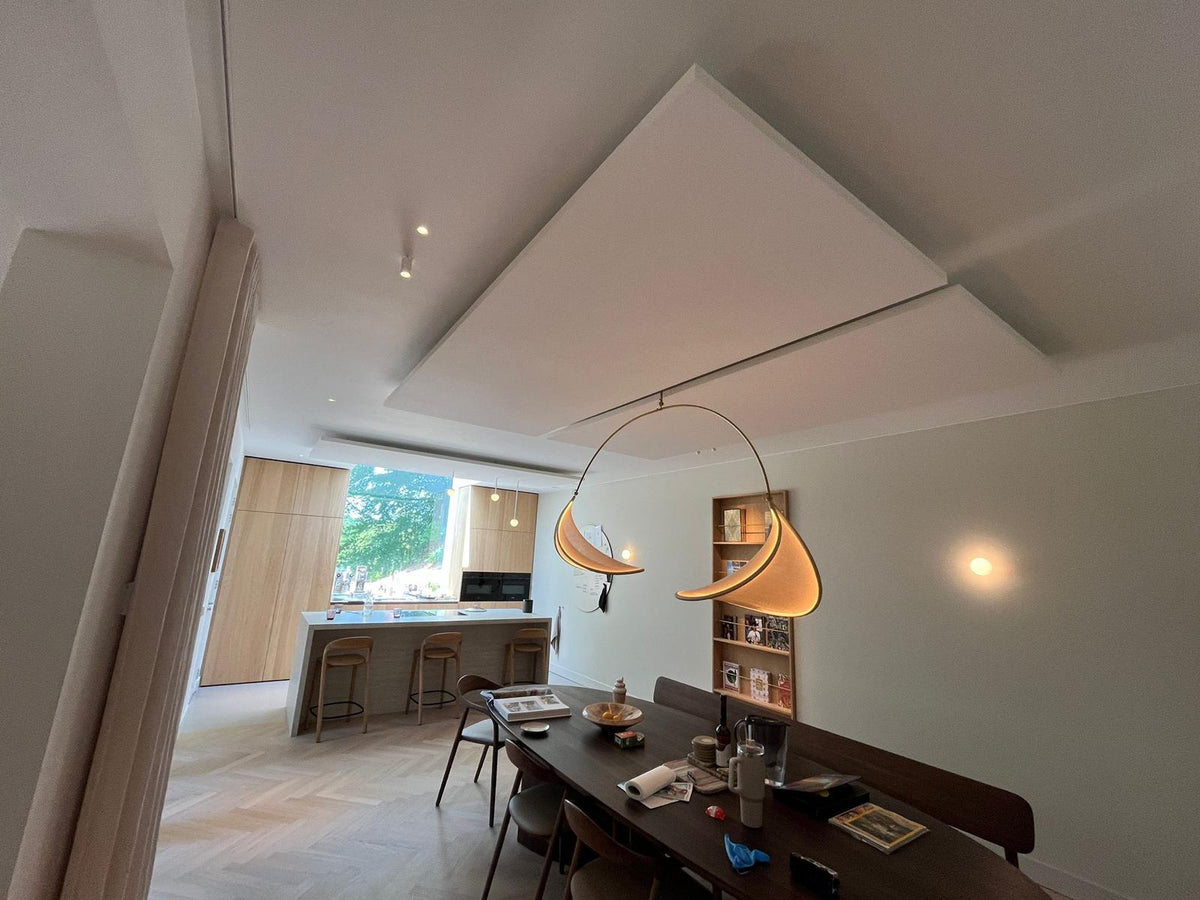
- Choose your colour and sizeCheck the options for each product
- Sound-absorbing PET feltTo help reduce echo in your room
- Samples to compare at homeCompare colours and textures
- Personal adviceWe will help you choose
Find what works for you
Solutions for your dining room
Start around the dining table: look at the free wall beside it and the ceiling above.
 Acoustic wall panelsExplore acoustic products that suit your dining room.
 Wall artExplore acoustic products that suit your dining room.
 Acoustic ceiling islandsExplore acoustic products that suit your dining room.
 Acoustic dividersExplore acoustic products that suit your dining room.
 Acoustic wall stickersExplore acoustic products that suit your dining room.
Understand the echo
Why does a dining room quickly sound noisy?
Voices, crockery and scraping chairs are amplified by a hard floor, table, windows and smooth walls. With several people the sound level rises quickly.
- Less distracting echo and fewer harsh reflections
- Clearer voices and a more comfortable room
- Better acoustics without compromising your interior
Open wall
Use a large open wall to absorb reflections while keeping the room visually calm.
Ceiling
The ceiling is a practical option when wall space is limited or you prefer a discreet solution.
Near the sound source
Place absorption close to where voices, play or appliances create the most sound.
Popular for your dining room
Frequently chosen products
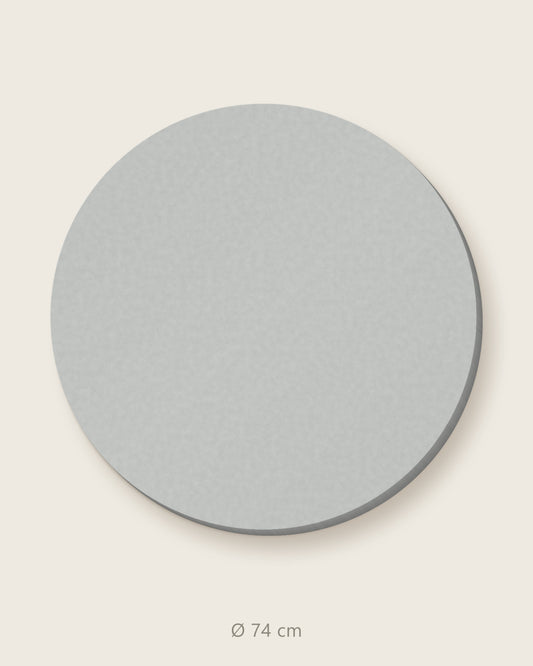
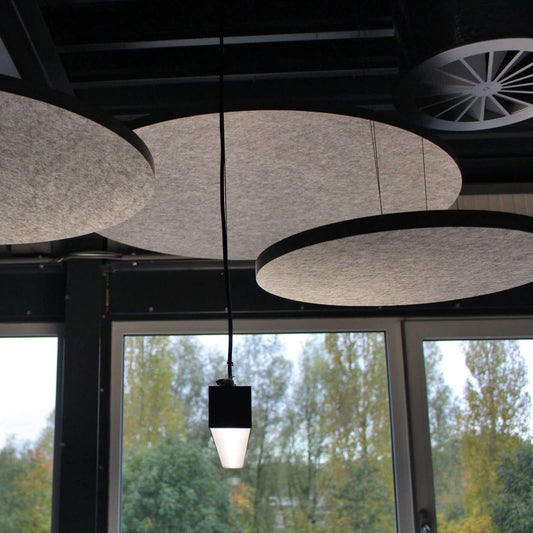
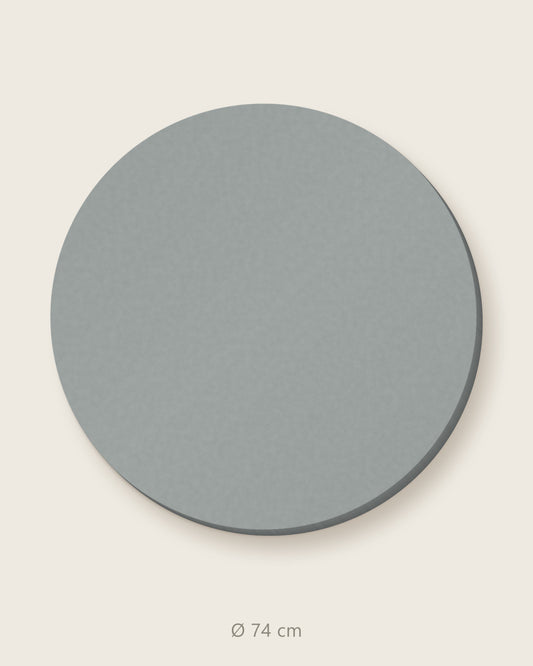
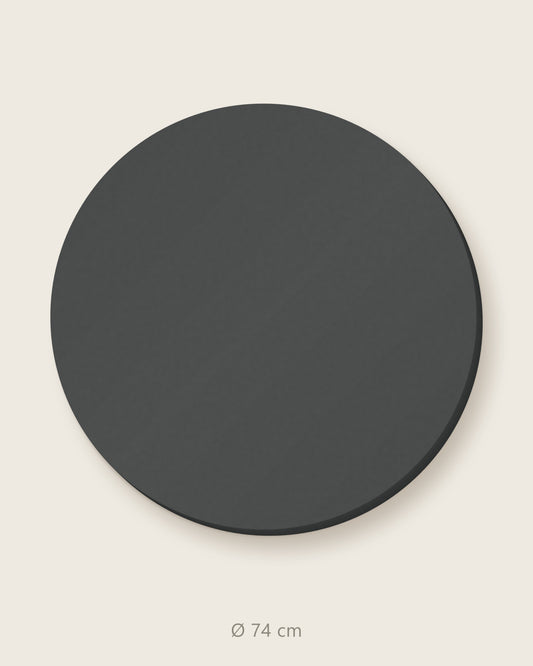
Acoustic ceiling panel Round: sound-absorbing felt panel
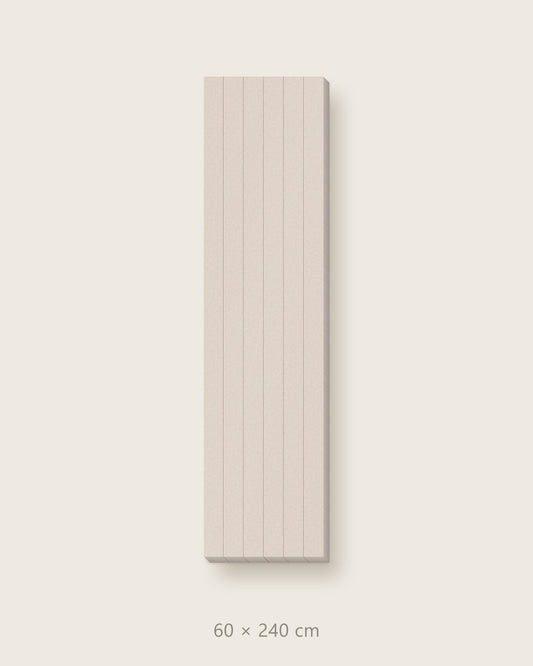

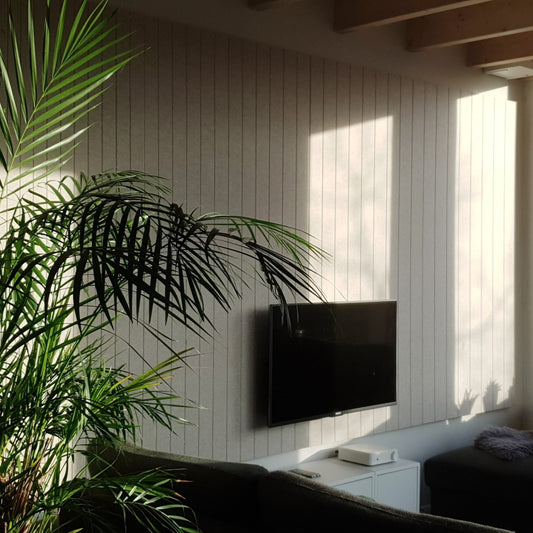
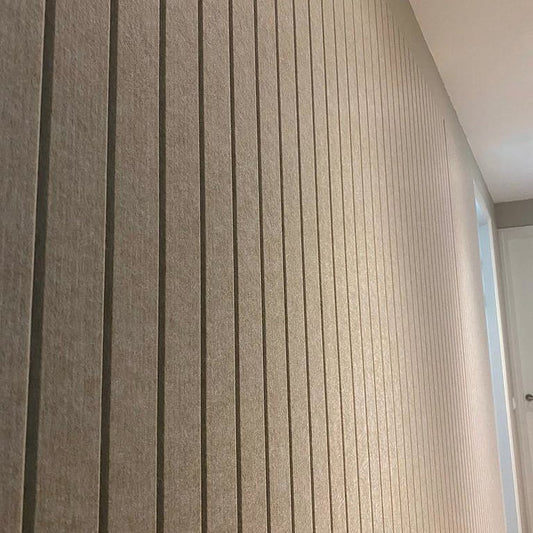
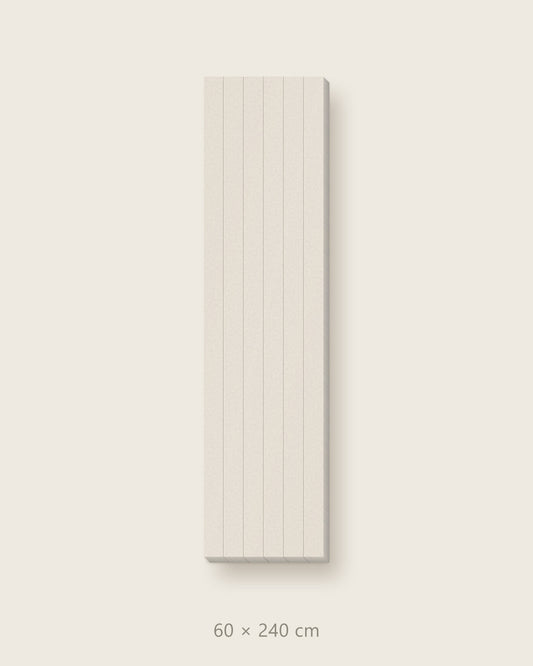
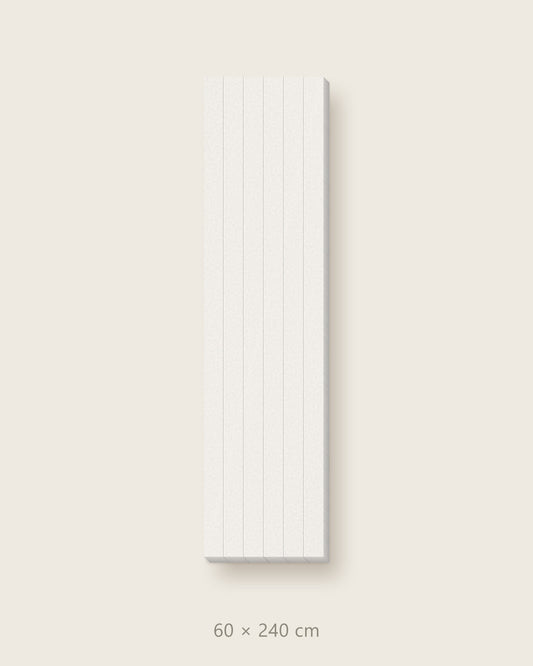
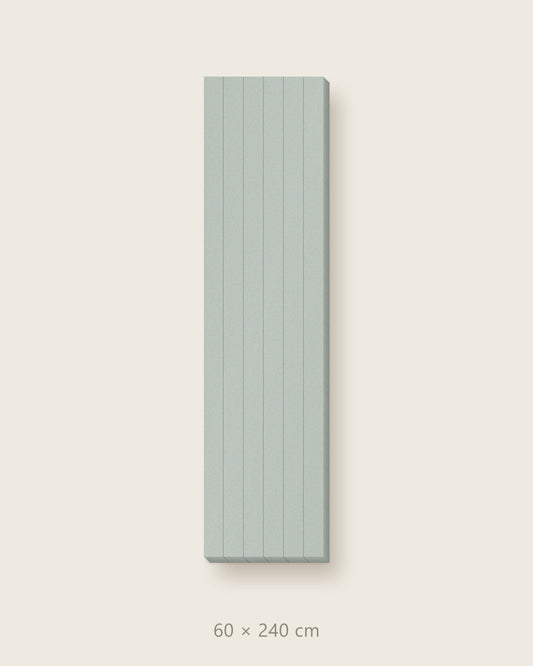
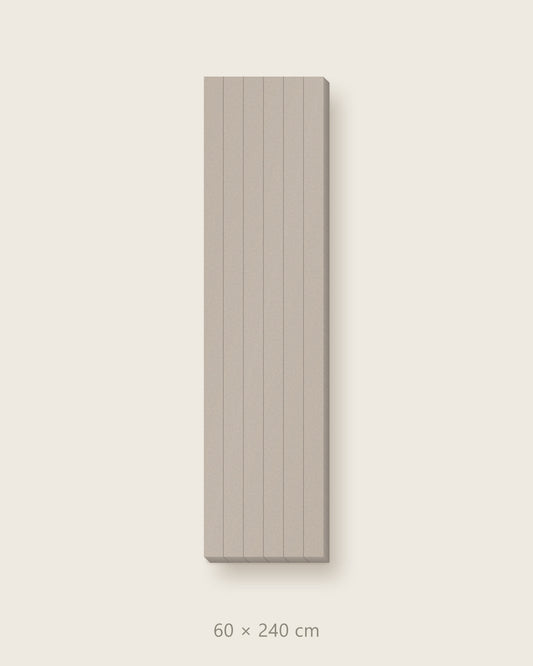
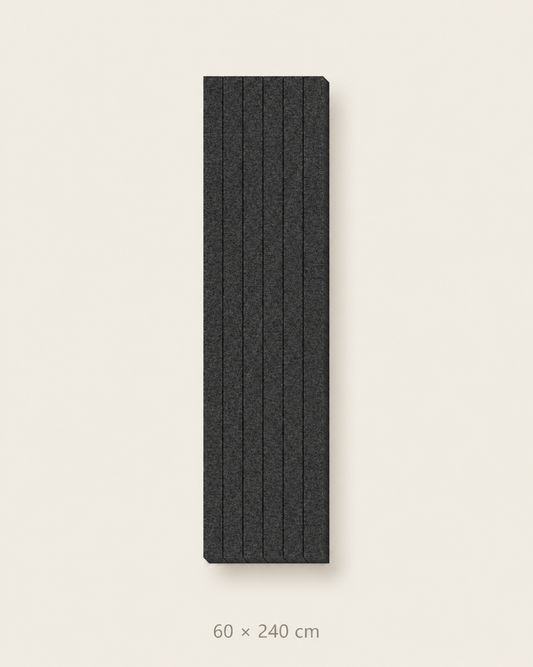
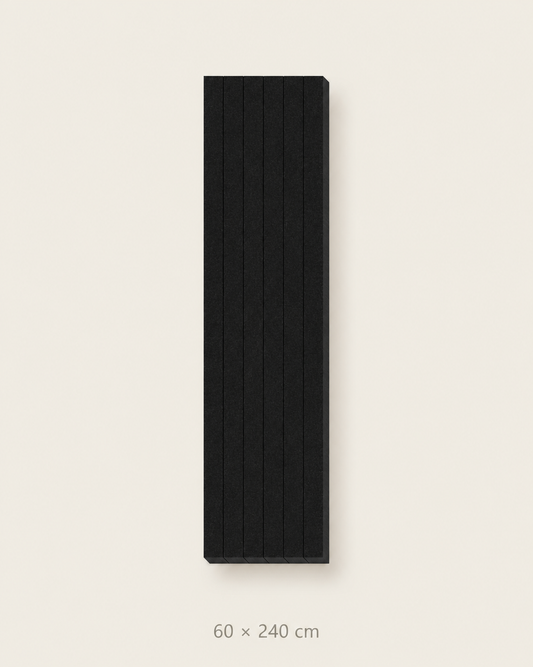
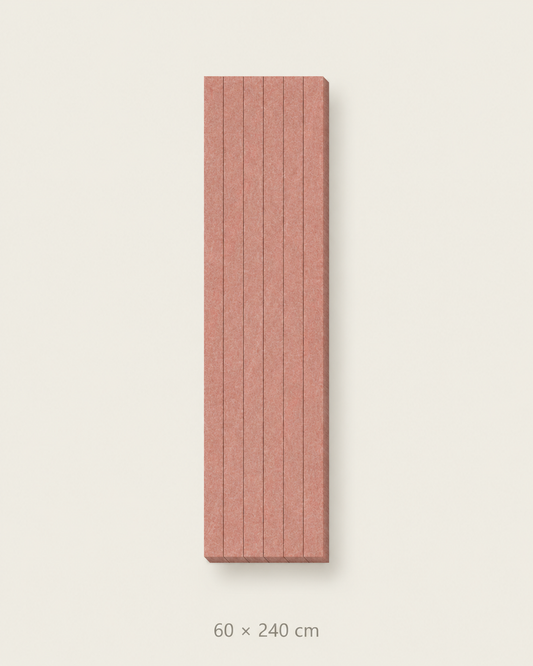
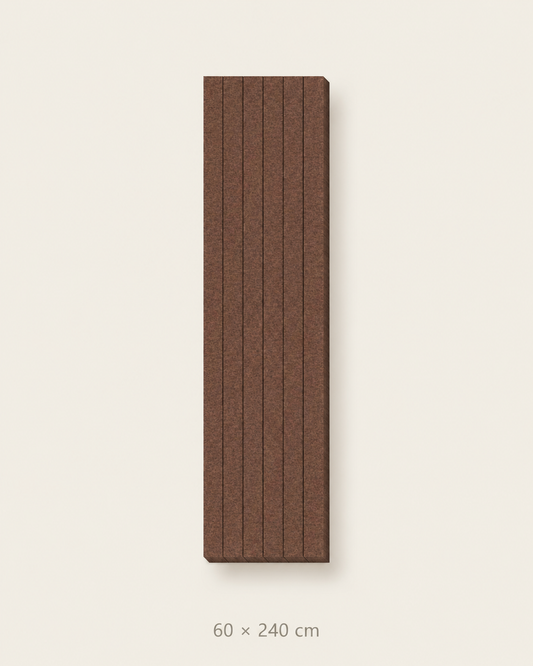
Acoustic slat wall Japandi Wall: sound-absorbing PET felt in Japandi style
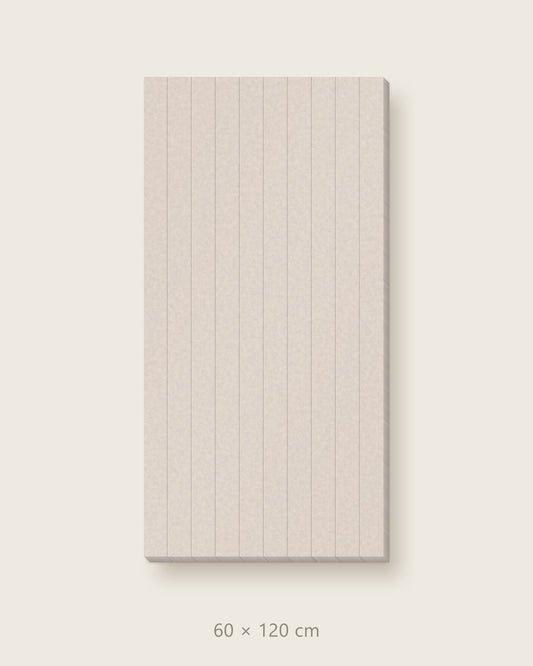

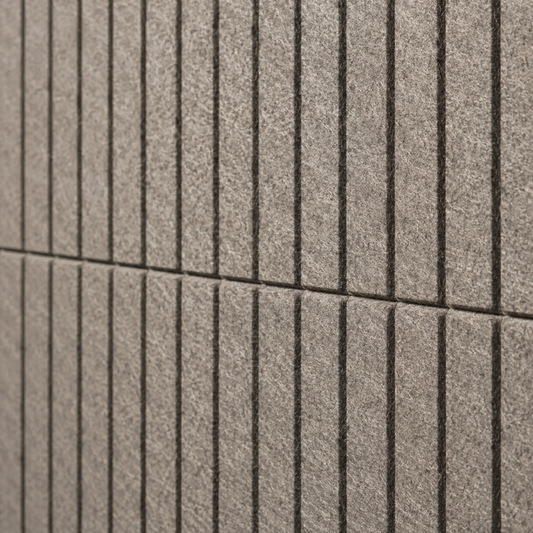
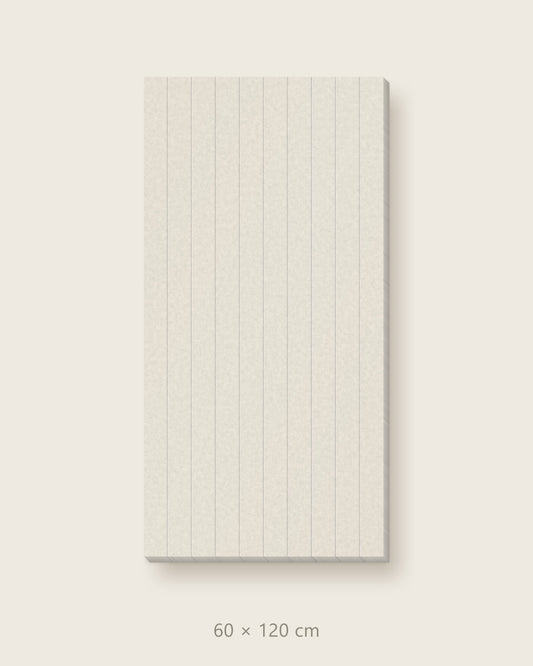
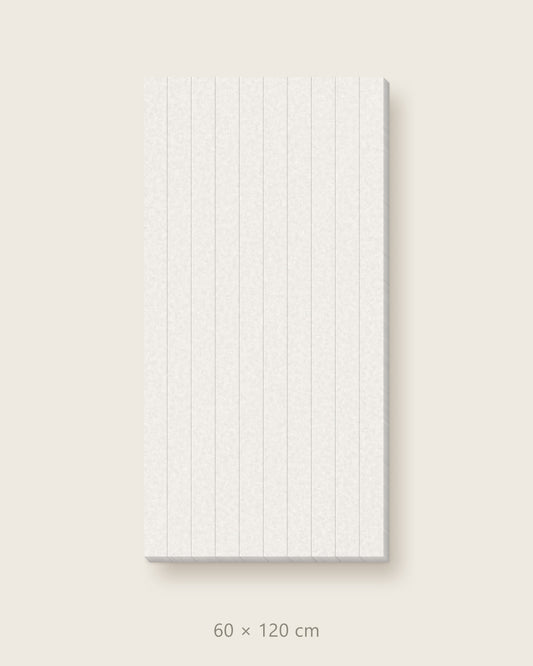
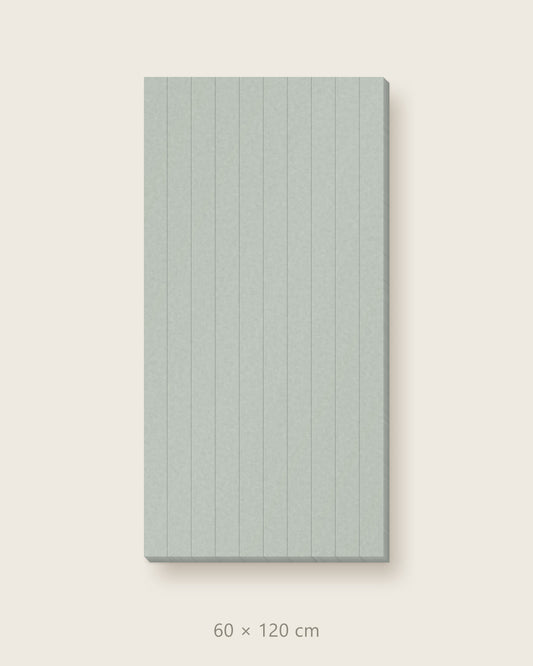
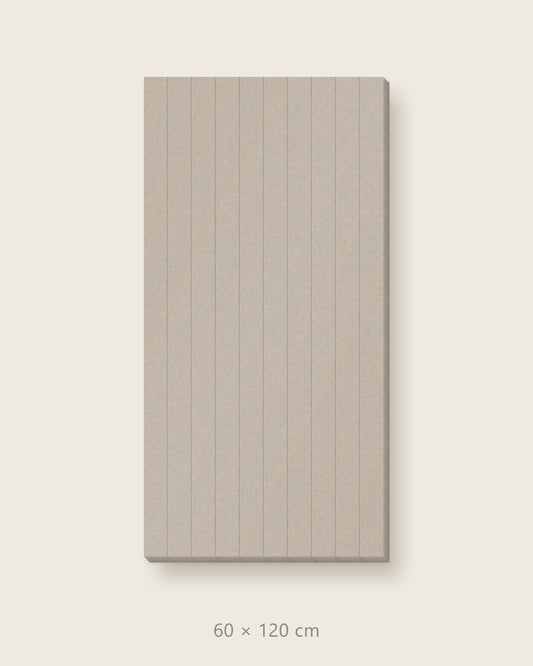
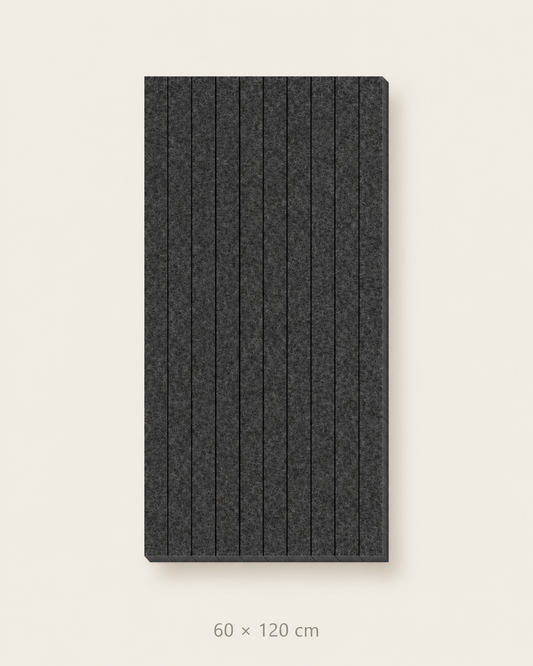
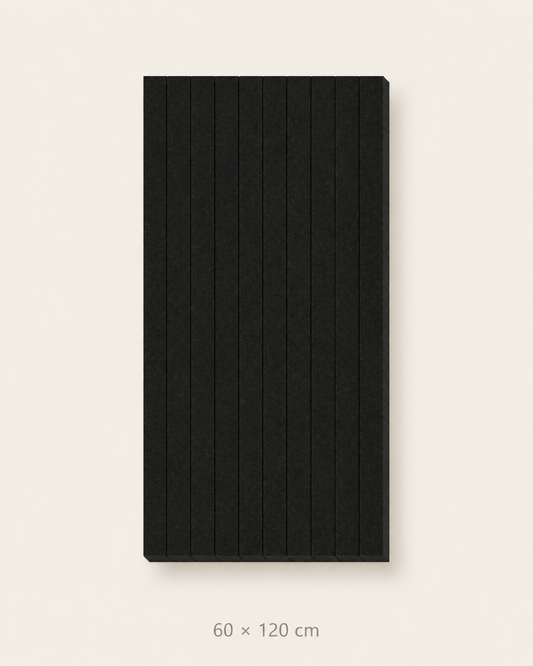
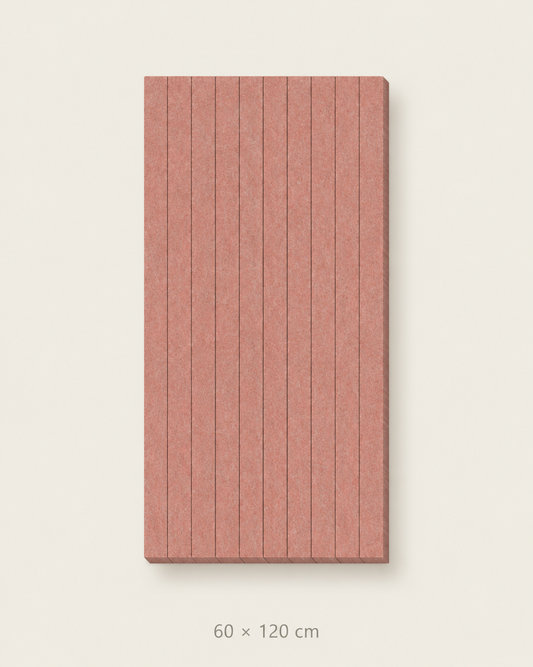
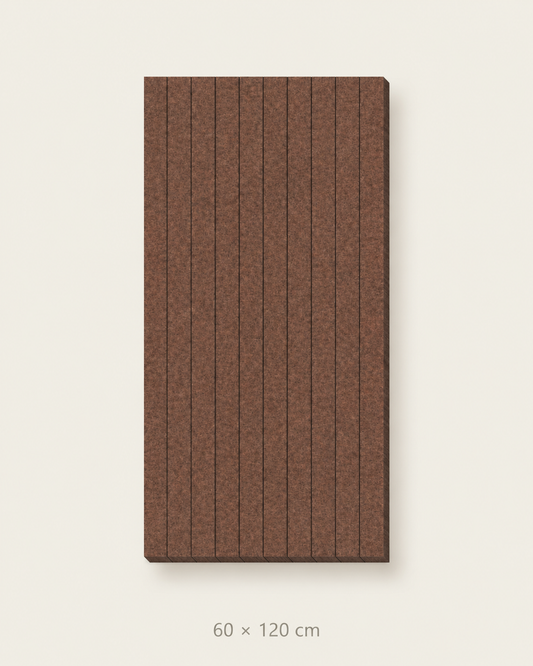
Acoustic wall tiles Lines: sound-absorbing felt with subtle lines
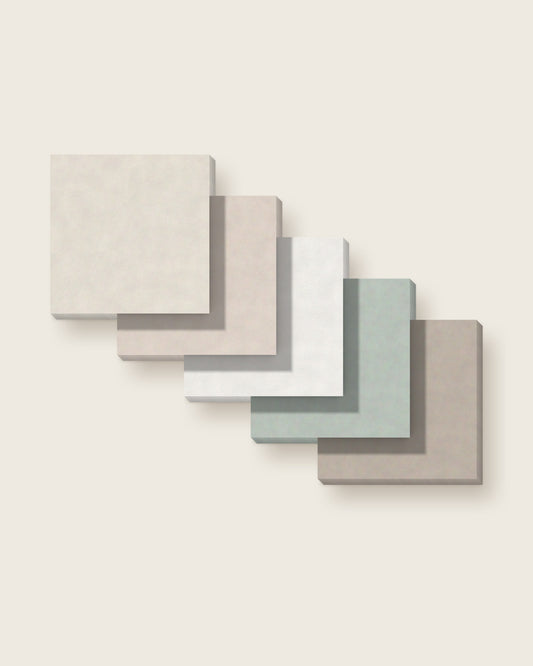
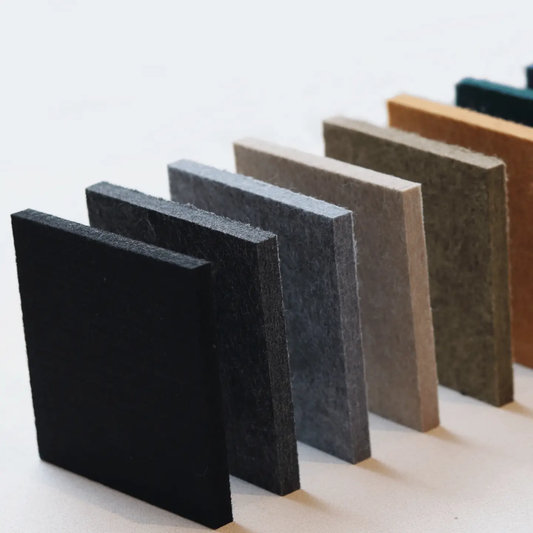
PET felt sample box: compare City Map, 9 mm and 25 mm felt
Good to know
Frequently asked questions about acoustics in your dining room
How much acoustic material do I need?
That depends on the room size, its furnishings and the amount of hard surface. Start with the largest open reflective area and ask for advice if you are unsure.
Where should I place acoustic panels?
Choose an open wall or ceiling area near the main sound source. The best position depends on the layout and how you use the room.
Can I compare PET felt colours at home first?
Yes. Samples let you compare colours and textures in your own interior, in both daylight and evening light.